
Cesspit Repairs
Cracks, leaks and root ingress can compromise a sealed cesspit. UKDP assesses the damage before recommending a suitable repair, or replacement where repair is not practical.




Signs of Cesspit Damage That May Require Repairs
A change in how your cesspit behaves may indicate damage that needs investigating. Warning signs can include:
- More frequent emptying without increased use.
- Repeated high-level alarm activation.
- Sewage odours around the tank.
- Wet, pooled or sunken ground nearby.
- Visible cracks, movement or root ingress.
UKDP assesses the cause and extent of the problem before recommending any work. Where a targeted repair is practical, we explain what is required. If the damage is too extensive for a reliable repair, we advise on the appropriate replacement options.
What UKDP’s Cesspit Repair Service Includes
UKDP establishes the cause and extent of the damage before recommending work. The service can include:
Damage assessment
We inspect the cesspit and accessible connections to establish what has failed and how extensive the damage is.
Repair feasibility
The findings are reviewed to determine whether a reliable repair is practical or whether replacement should be considered.
Repair specification
We set out the recommended work clearly, based on the tank’s condition, the site and the identified cause.
Targeted repair work
Where practical, repairs are completed to address the confirmed damage rather than relying on a temporary solution.
Insurance claim support
For potentially insured damage, UKDP can provide factual evidence and support the claim, subject to policy terms and insurer acceptance.
Completion checks
The completed work is checked, with the outcome and any further maintenance or emptying requirements explained.
What UKDP Customers Say about Our Services
UKDP have, from my first contact with them, been very helpful, informative and re-assuring even when all hope seemed lost for a favourable outcome. Their in-depth knowledge and sheer determination made our claim possible where I feel sure most companies would have given up!
Thank you all so very much for all your work on my behalf. There is no way it was going to get done without your input. I would recommend you to anyone with similar problems. It's such a relief to have it done. Thanks again.
As a novice to insurance claims and private water treatment I needed support. UKDP guided me through the whole lengthy process with clear communication. Great job done.
UKDP’s Cesspit Repair Process
UKDP confirms the cause and extent of the damage before any repair is planned, so the work is based on clear evidence.
Case details reviewed
We record the symptoms, system history and any previous inspection findings.
Site inspection completed
An engineer examines the cesspit, accessible inlet pipework and surrounding ground.
Findings technically reviewed
We confirm the damage and establish whether a reliable repair is practical.
Repair scope agreed
The recommended work and quotation are explained before the repair begins.
Repairs completed
UKDP coordinates the agreed work and manages those involved in its delivery.
Completion checks carried out
The completed repair is checked and any further recommendations are explained.
Other UKDP Cesspit Services
Repair is only one part of managing a cesspit. UKDP also provides emptying, condition inspections and replacement installations.
Emptying
We remove stored sewage before the tank reaches capacity and can help establish an appropriate emptying schedule based on its size and use.
Learn moreInspection
We assess the tank structure, cover, accessible inlet pipework, operating level, alarm and surrounding ground, then provide clear findings.
Learn moreInstallation
Where a cesspit cannot be reliably repaired, we can specify and install a suitable replacement based on the property, site and access requirements.
Learn moreRepair Where Practical, Replace When Necessary
Not every damaged cesspit needs replacing, but a repair should only be recommended when it can provide a reliable result. UKDP assesses the tank on site and may use drainage cameras where appropriate to establish what has failed.
We consider:
- The location and extent of the damage.
- The cesspit’s overall structural condition.
- Access and surrounding ground conditions.
- Whether a targeted repair is practical.
If repair is suitable, we provide a clear scope of work and quotation. Where the damage is too extensive, we explain the findings and advise on an appropriate replacement.
Recent Cesspit Repair Projects by UKDP
Why Choose UKDP for Your Cesspit Repairs
UKDP combines off-mains drainage experience with technical review, project coordination and insurance support where relevant.
Off-mains experience since 2009
We have worked with cesspits and other private drainage systems across varied properties, sites and ground conditions.
Technically reviewed recommendations
Our technical team reviews the findings so the proposed repair or replacement is supported by clear evidence.
Dedicated project coordination
A UKDP Project Manager coordinates the agreed work, manages those involved and keeps the repair progressing.
In-house insurance support
Where damage may be insured, our claims team can assess eligibility and support a valid claim through the required stages.
Professional Indemnity cover of £2 million
Our professional indemnity cover provides protection if we give incorrect information or advice.
Nationwide, locally delivered
Our engineers and trusted local partners provide cesspit repair support across the UK, coordinated by the UKDP team.
From Unresolved Damage to a Clear Repair Outcome
UKDP establishes what has failed, agrees the appropriate work and checks the result after completion.
Before UKDP’s Involvement
- The cause of the problem is unconfirmed
- The extent of the damage is unknown
- There is no defined repair plan
- The confirmed defect remains unresolved
- The outcome has not been verified
- Future requirements remain unclear
After the Agreed Work
- The cause is established through inspection
- The affected area and repair feasibility are documented
- The recommended work and quotation are clearly set out
- The agreed repair is completed
- Completion checks are carried out
- Further emptying, monitoring or replacement advice is explained
Insurance Support for Cesspit Repairs
Some buildings insurance policies may cover cesspit damage, but this depends on the cause, policy wording and the insurer’s decision. Routine emptying, maintenance and gradual deterioration are not automatically covered.
Where a potential claim is identified, UKDP can:
- Inspect and document the damage.
- Establish its likely cause and extent.
- Assess whether the claim may be eligible.
- Prepare technical evidence and a repair or replacement scope.
- Liaise with the insurer or loss adjuster.
- Manage the agreed work if the claim is accepted.
Claim acceptance and the amount covered always remain subject to the insurer’s approval.
Who We Help
UKDP provides clear findings, technical evidence and practical recommendations for those responsible for resolving cesspit damage.
Homeowners
Repairs to the cesspit at your home, from leaking joints to damaged inlets and covers.
Learn moreLandowners
We investigate damage affecting cesspits serving individual homes, rural estates and wider property portfolios, then advise whether repair or replacement is appropriate.
Learn moreInsurers
We provide factual evidence on the cause and extent of damage, prepare a defined scope of work and support accepted claims through delivery.
Learn moreEstate Agents
Where a survey identifies cesspit damage, we explain the findings and required work so buyers and sellers can make informed decisions before progressing.
Learn moreCesspit and Drainage Guides
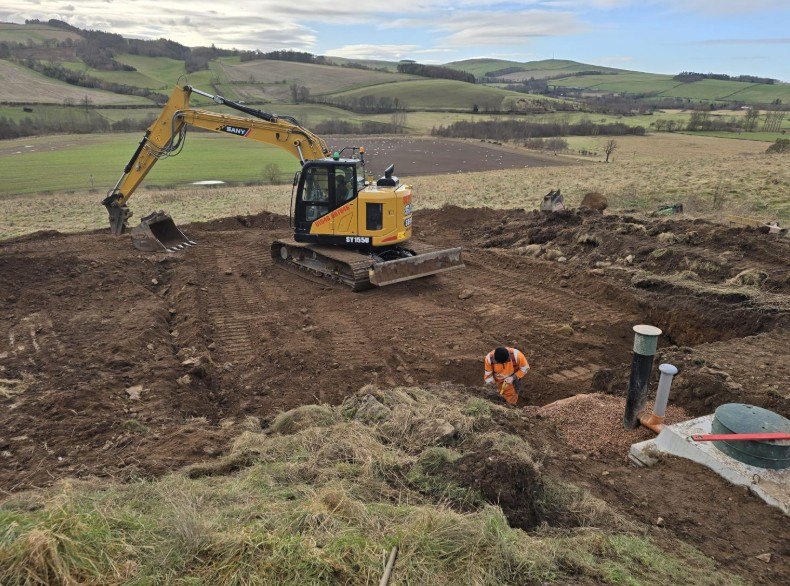
What Size Should My Septic Tank, Treatment Plant or Cesspit Be?
Understand how household size affects the capacity needed when choosing a replacement cesspit.
Read article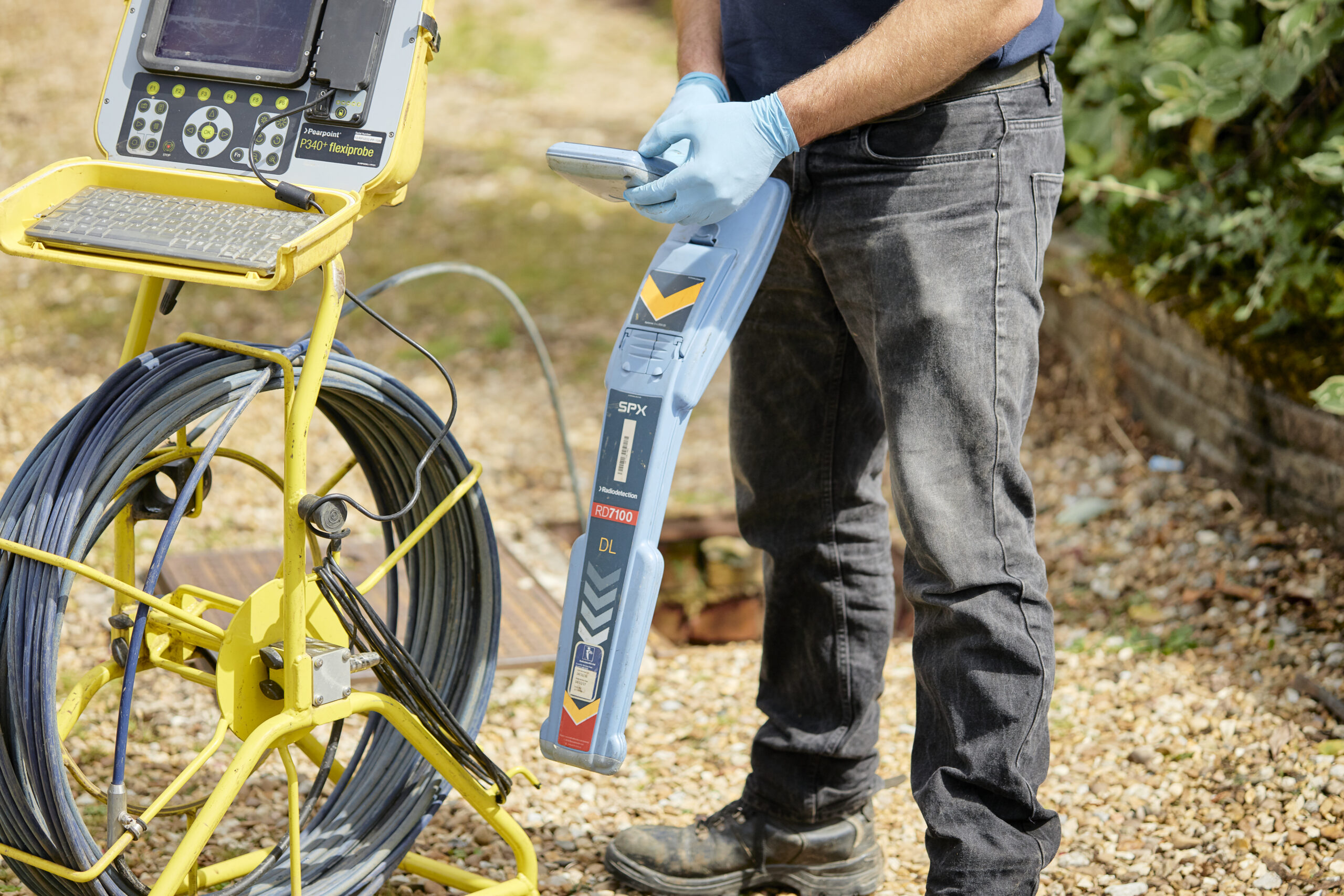
CCTV Drainage Surveys and Septic Tank Inspections
Learn how drainage surveys help identify faults and provide evidence for repair or replacement recommendations.
Read article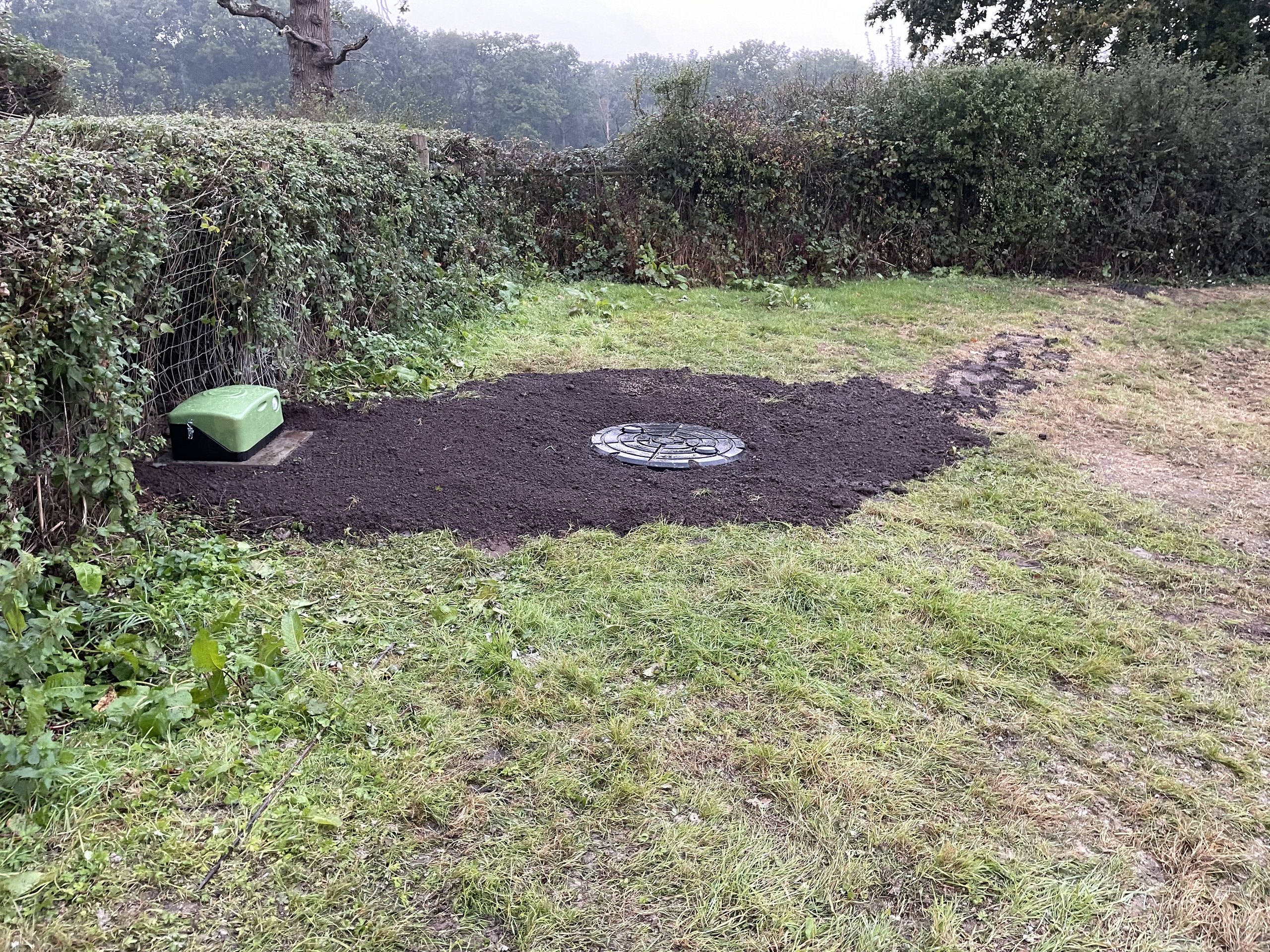
Septic Tanks vs Sewage Treatment Plants: What's the Difference?
Explore how these systems work if you are considering alternatives to replacing a damaged cesspit.
Read articleCesspit Repairs: Frequently Asked Questions
Ask our teamDoes my cesspit need to be emptied before repairs begin?
Often, yes. Emptying allows the engineer to see the internal structure and assess damage that may otherwise remain below the wastewater level. Whether this is required depends on the reported fault and planned work. UKDP will confirm any emptying requirements before the repair visit.
Will repairing a cesspit require excavation?
Not always. The need for excavation depends on where the damage is located and whether it can be reached safely through the existing access. Damage affecting the buried exterior, inlet pipework or surrounding ground may require excavation. UKDP establishes the access requirements during the assessment.
Can I use the toilets and drains during a cesspit repair?
This depends on the repair and whether the tank must remain empty during the work. You may need to reduce or temporarily stop wastewater entering the cesspit. UKDP will explain any restrictions beforehand so the property’s occupants can make suitable arrangements.
How long does a cesspit repair take?
There is no standard repair time. A localised, accessible defect may take less time than structural damage requiring excavation or extensive groundworks. Site access, tank condition and the agreed repair scope also affect the programme. UKDP provides expected timescales once the damage has been assessed.
Can tree roots damage a cesspit?
Yes. Roots can enter through cracks, joints or damaged inlet connections and may worsen an existing defect. Removing visible roots alone may not resolve the problem if the entry point remains open. An inspection establishes the extent of the ingress and whether a reliable repair is possible.
Can rainwater entering a cesspit look like a leak?
It can produce similar warning signs, particularly unexpectedly rapid filling and repeated high-level alarms. The cause may be an incorrect rainwater connection rather than structural damage. UKDP experts can use dye testing where appropriate to identify rainwater entering the foul drainage system.
Can a damaged cover, seal or inlet pipe be repaired separately?
Potentially. If the problem is confined to an accessible component and the main tank remains sound, a targeted repair may be suitable. The cover, seals, inlet pipework and tank structure should still be assessed together to ensure there is no connected or concealed damage.
What should I do if my cesspit is leaking or overflowing?
Arrange urgent emptying and professional inspection, and reduce wastewater entering the tank where possible. Do not wait for the next scheduled empty. In England, a cesspit must not leak or overflow, and the local authority can require repair or replacement.
Arrange Your Cesspit Repair
Tell UKDP what has changed and any warning signs you have noticed. We will assess the damage and explain the appropriate next step.