
Cesspit Inspection
Cracks, leaks and root ingress are not always obvious from ground level. UKDP’s engineers inspect the tank, check its operating level and alarm, and give you clear findings on its condition.



The Right Time for a Cesspit Inspection
No fixed inspection schedule suits every cesspit. The right time is usually when something changes or before you take responsibility for an unfamiliar system.
Arrange an inspection if:
- The tank needs emptying more often than usual.
- The high-level alarm activates repeatedly.
- Unpleasant odours develop around the tank.
- The surrounding ground becomes wet, pooled or sunken.
These signs may indicate leakage, overflow, structural movement, root ingress or unexpected water entering the system. An inspection is also advisable when buying a property with a cesspit.
UKDP assesses the tank’s condition and provides factual findings and practical recommendations based on what is found.
What's Included in Our Cesspit Inspection Service
Every inspection starts with the reason for the visit, whether the cesspit is filling unexpectedly, showing signs of damage or being assessed during a property transaction. The checks may include:
Site and surface observations
We examine the area around the cesspit for odours, wet ground, pooling, subsidence and other visible signs of leakage or movement.
Cover and inlet checks
Accessible covers, seals and inlet pipework are checked for damage, deterioration or anything affecting the flow into the tank.
Internal condition assessment
The accessible internal structure is examined for cracks, leaks, root ingress and other defects that could affect the tank’s condition.
Operating level and alarm check
We check the level inside the cesspit and assess the high-level alarm to establish whether the system is operating as expected.
Rainwater connection testing
Where unexpected water entry is suspected, dye testing can help identify rainwater entering the cesspit through an incorrect cross-connection.
Findings and recommendations
UKDP explains what the inspection has established and recommends the appropriate next step based on the condition of the system.
What UKDP Customers Say
UKDP have, from my first contact with them, been very helpful, informative and re-assuring even when all hope seemed lost for a favourable outcome. Their in-depth knowledge and sheer determination made our claim possible where I feel sure most companies would have given up!
Thank you all so very much for all your work on my behalf. There is no way it was going to get done without your input. I would recommend you to anyone with similar problems. It's such a relief to have it done. Thanks again.
Your Cesspit Inspection with UKDP: Step-by-Step
The inspection follows the condition of the tank and the reason for the visit. UKDP records what is found, carries out any relevant checks and explains what should happen next.
Inspection scope agreed
We establish why the inspection is needed, including unusual emptying, visible warning signs or a property transaction.
Site conditions reviewed
The engineer examines the cesspit’s location, access and surrounding ground for visible signs of leakage, overflow or movement.
Tank condition examined
Accessible parts of the tank, cover, seals and inlet pipework are checked for cracks, deterioration, root ingress and damage.
Operating checks completed
The tank’s operating level and high-level alarm are assessed to identify anything that is not working as expected.
Additional testing carried out
Where incorrect rainwater connections are suspected, dye testing may be used to trace unexpected water entering the cesspit.
Findings and next steps explained
UKDP records the findings and recommends maintenance, repair, further investigation or replacement according to the tank’s condition.
UKDP's Other Cesspit Services
Once the condition of the cesspit is clear, UKDP can recommend the appropriate service rather than treating every problem in the same way.
Emptying
UKDP removes stored sewage before the cesspit reaches capacity, helping reduce the risk of backups and overflows.
Learn moreInstallation
Where the existing cesspit cannot be repaired, UKDP can assess the site, specify a suitable replacement and manage its installation.
Learn moreRepairs
Where repair is practical, UKDP uses the inspection findings to define the required work. If it is not, we explain why another solution is needed.
Learn moreCesspit Inspection Costs
A cesspit inspection costs £399 including VAT. Emptying, where needed, is charged separately. No two inspection enquiries require exactly the same checks. The scope of the inspection is shaped by:
- The reason for the inspection, such as a property transaction or suspected problem.
- The location of the cesspit and how easily it can be accessed.
- The parts of the tank and connected pipework that can be examined.
- Any additional investigation, such as dye testing for a suspected rainwater cross-connection.
UKDP establishes the required scope first. This keeps the inspection focused on the condition or concern that needs investigating, without adding checks that are not relevant to the property.
Recent Cesspit Inspections by UKDP
Why Choose UKDP for Your Cesspit Inspection
An inspection should leave you with answers, not a list of guesses. UKDP combines off-mains drainage experience, technical review and practical recommendations based on what the evidence shows.
Off-mains expertise since 2009
We have worked with cesspits and other private drainage systems since 2009, across individual properties and larger sites.
Experienced inspection engineers
Our engineers understand how tank condition, operating levels, alarms, connected pipework and surrounding ground can reveal different problems.
Evidence-led recommendations
We establish what has happened before recommending maintenance, repair, further investigation or replacement.
Technically reviewed findings
Inspection findings are reviewed by our technical team before recommendations are confirmed.
In-house insurance support
Where potentially insured damage is identified, our claims team can assess eligibility and support a valid claim, subject to the policy and insurer’s decision.
Substantial business cover
With £15 million in Professional Indemnity insurance, UKDP has substantial cover behind its surveys, findings and technical recommendations.
Cesspit Inspections for Different Situations
A cesspit inspection is not limited to systems that have already failed. The findings can answer different questions depending on why the inspection was arranged.
Reason for the inspection
- The cesspit is being emptied more often
- The high-level alarm keeps activating
- Damage is suspected
- A property is being bought or sold
- An insurance claim may be possible
- Future maintenance is being planned
How UKDP’s findings help
- Identify whether capacity, usage or unexpected water entry may be contributing
- Check the operating level and whether the alarm is functioning as expected
- Establish the presence and extent of cracks, leaks, deterioration or root ingress
- Provide clearer evidence of the cesspit’s condition during the transaction
- Supply factual findings for an eligibility assessment, subject to the policy and insurer
- Base emptying, monitoring or further work on the system’s recorded condition
Cesspit Inspections for Insurance Claims
Insurance cover depends on what caused the damage, the terms of the policy and the insurer’s decision. A UKDP inspection can provide the evidence needed to assess whether a claim may be valid. We can:
- Record the cesspit’s condition and the damage identified
- Establish the likely cause and extent of the problem
- Provide technically reviewed findings and supporting evidence
- Assess claim eligibility through our in-house insurance team
- Support an accepted claim through the repair or replacement process
Routine emptying, maintenance and gradual deterioration are not automatically covered. UKDP explains the findings without promising that a claim will be accepted.
Who UKDP Helps
UKDP provides evidence-led cesspit inspections for those managing a system, assessing damage or dealing with a property transaction.
Homeowners
An inspection that shows the condition of the cesspit at your home and any work it needs.
Learn moreLandowners
Understand the condition of a cesspit serving an individual property, rural estate, rental home or wider portfolio, with clear recommendations for maintenance, repair or replacement.
Learn moreInsurers
Receive factual findings on the cause and extent of damage, supported by technical recommendations for assessing a claim and any required work.
Learn moreEstate Agents
Give buyers and sellers clearer information about the cesspit’s condition and any concerns that may need addressing before the transaction progresses.
Learn moreCesspit Inspection Advice & Case Studies
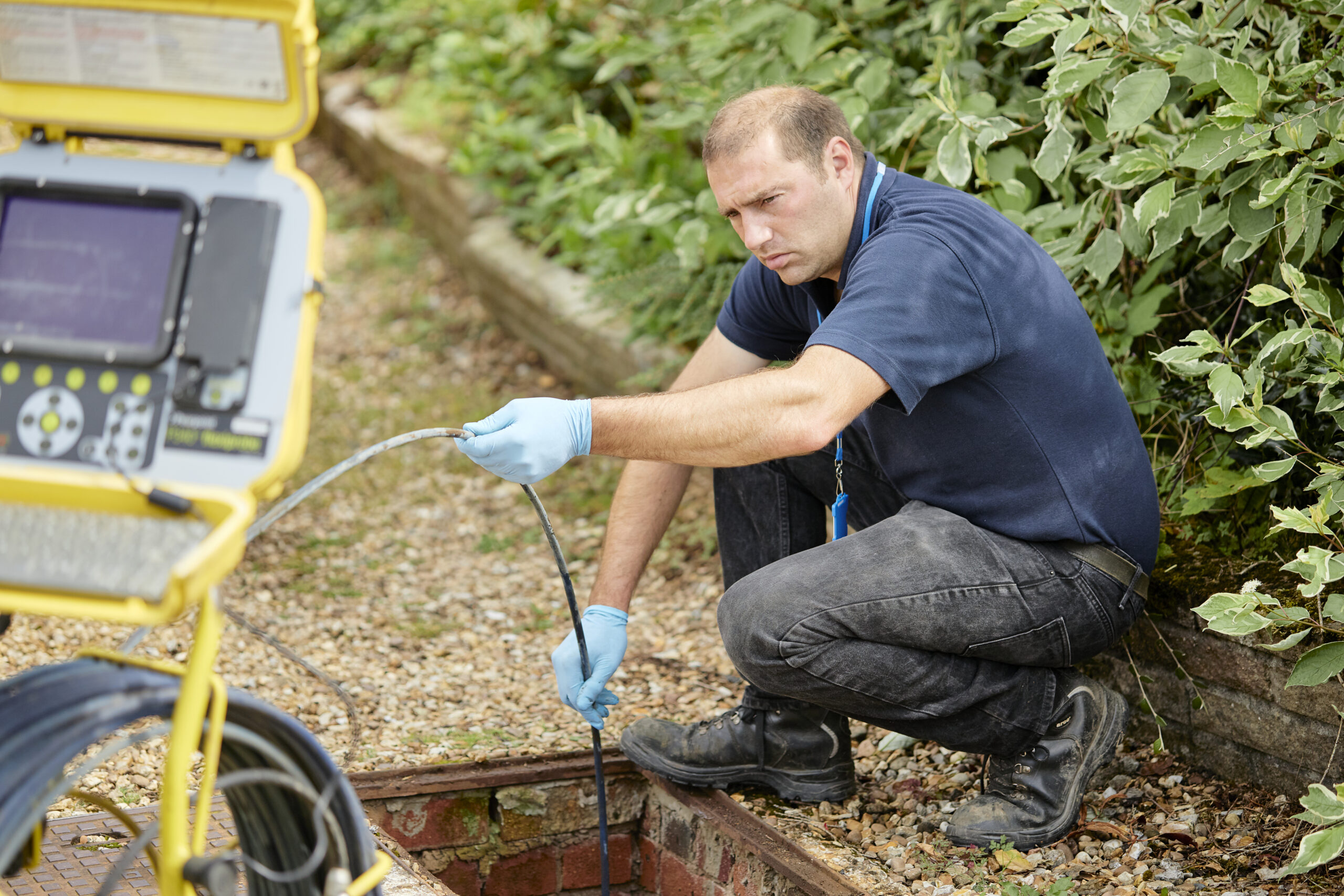
Should I Buy a House With Private Drainage?
Learn what to establish about an off-mains drainage system before buying, including its type, condition and any responsibilities you may be taking on.
Read article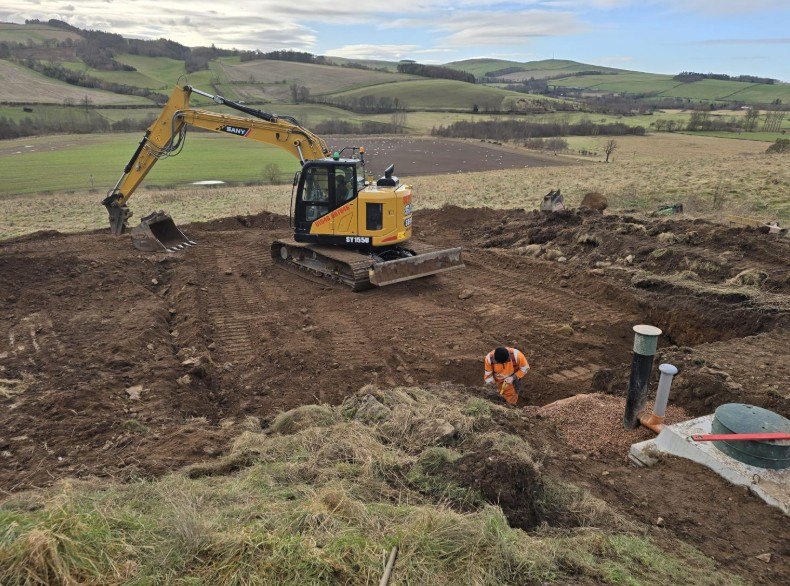
What Size Should My Septic Tank, Treatment Plant or Cesspit Be?
Understand how household size and usage affect the capacity a cesspit needs.
Read articleCesspit Inspection: Frequently Asked Questions
Ask our teamIs a cesspit inspection the same as cesspit emptying?
No. Emptying removes the sewage stored inside the tank. An inspection examines the condition of the cesspit, accessible pipework, operating level, alarm and surrounding area. The two services may be arranged together where emptying is needed to provide a clearer view of the internal structure.
Does a cesspit need to be emptied before an inspection?
Not automatically. The preparation depends on the reason for the inspection and which parts of the tank need to be examined. UKDP confirms whether emptying should be arranged after reviewing the reported problem, tank access and proposed inspection scope.
How long does a cesspit inspection take?
There is no standard duration for every inspection. Timing depends on access, the condition of the tank and whether additional investigation is required. A straightforward condition check will differ from an inspection involving suspected damage, drainage camera work or dye testing for an incorrect rainwater connection.
Are drainage cameras used during cesspit inspections?
They can be used where they will help diagnose the problem. UKDP combines drainage cameras with detailed on-site checks when appropriate. The equipment selected depends on the accessible parts of the system and whether the concern involves the tank, inlet pipework or another connected section.
Is a cesspit inspection different from a homebuyer drainage survey?
Yes. A cesspit inspection concentrates on the tank and the accessible parts connected to it. A homebuyer drainage survey is arranged to give a purchaser a broader understanding of the private drainage serving the property and any concerns that could affect the transaction.
Can UKDP inspect a cesspit shared by several properties?
Yes. Shared cesspits can be inspected, although access and communication may involve several property owners. If damage is found, UKDP can help coordinate the relevant owners and, where applicable, insurers or loss adjusters before agreed repair or replacement work proceeds.
Can every cracked cesspit be repaired?
No. Whether a repair is practical depends on the position, extent and structural effect of the damage. UKDP assesses the condition before recommending work. A targeted repair may be suitable in some cases; more extensive deterioration or movement may make replacement the more appropriate option.
What happens if an inspection finds that the cesspit is leaking?
The leak should be addressed promptly. In England, a cesspit must not leak or overflow, and the Environment Agency or local council can require a damaged system to be repaired or replaced. UKDP will explain whether repair, further investigation or replacement is appropriate. It's important to note that rules elsewhere in the UK may differ.
Book a Cesspit Inspection
Arrange a UKDP cesspit inspection for clear findings on the tank’s condition and practical advice on what should happen next.