
New Sewer Connections
UKDP checks whether your property can connect to the public sewer and manages the required applications, permissions and installation work.





What is a New Sewer Connection?
A new sewer connection links a property’s private drainage system to the public sewer network. It may be needed for a new development, an existing property without mains drainage or where a failed septic tank or sewage treatment plant must be replaced.
Before work begins, the proposed connection needs to be checked with the water company. UKDP assesses the property, reviews the available sewer route and determines whether wastewater can flow by gravity or requires a pumped connection.
We can then manage the relevant applications, permissions and installation work needed to connect the property to the public sewer safely and correctly.
What is a Section 106 Sewer Connection Application?
A Section 106 application requests permission from the water company to connect a property’s private drainage to the public sewer network. It allows the authority to confirm whether a suitable sewer is available, has sufficient capacity and can accept the proposed connection.
The application usually includes details of the property, proposed drainage route, connection point and installation method. UKDP can prepare and submit the application, review the water company’s response and explain any conditions attached to the approval.
Once permission has been granted, the installation can be planned around the approved route and any additional licences required.
What's Included in UKDP's Sewer Connections?
UKDP coordinates the technical, administrative and practical work required to complete a new sewer connection.
Connection feasibility
We establish whether a suitable public sewer is available and assess the proposed connection route.
Project coordination
UKDP manages communication, approvals and site work so each part of the project is properly coordinated.
Gravity or pumped design
The property levels and sewer position determine whether the connection uses gravity or a pumping system.
Highway permissions
Where work enters a public road, we arrange the relevant road opening and traffic management permissions.
Water company applications
We prepare and submit the Section 106 application required to connect to the public sewer.
Installation work
Our team installs the new pipework and connects it to the approved point on the public sewer.
What do UKDP Customers Say About Our Expert Drainage Solutions?
UKDP have, from my first contact with them, been very helpful, informative and re-assuring even when all hope seemed lost for a favourable outcome. Their in-depth knowledge and sheer determination made our claim possible where I feel sure most companies would have given up!
Thank you all so very much for all your work on my behalf. There is no way it was going to get done without your input. I would recommend you to anyone with similar problems. It's such a relief to have it done. Thanks again.
UKDP had been monitoring our problems with root ingress and decided the treatment plant would need replacing. They offered to manage the insurance claim, which they did very successfully. I had very little to do. Real specialists!
How Does UKDP Complete a New Sewer Connection?
UKDP manages the project from the initial assessment through to the completed connection, including the applications and permissions required for the approved route.
Assess the property
We visit the site, review the existing drainage and identify a practical route to the public sewer.
Submit the Section 106 application
UKDP applies to the water company to confirm that the proposed connection can proceed.
Confirm the project scope
Once the authority responds, we finalise the connection method, route and quotation for the installation work.
Arrange additional permissions
Connections entering a public highway require road opening and traffic management permissions, including a Section 50 licence.
Install the new pipework
The approved drainage pipework is installed between the property and the agreed public sewer connection point.
Complete the connection
We connect the pipework to the public sewer and complete the required finishing and reinstatement work.
What are UKDP's Other Drainage Services?
A new sewer connection provides a route into the public network. UKDP also offers services for clearing and repairing the private pipework connected to it.
High Pressure Jetting
Water pressure is used to remove grease, silt, scale and loose debris from accessible drains and restore flow through the pipework.
Learn moreRoot Cutting
Specialist equipment removes intrusive roots from inside a drain. The pipe can then be inspected for cracks, displaced joints or other damage.
Learn moreDrain Pipe Lining
Suitable cracks and leaking joints can be sealed internally with a resin liner, often avoiding the disruption of excavating and replacing the pipe.
Learn moreHow Much Does a New Sewer Connection Cost?
A new sewer connection typically costs between £5,000 and £10,000 when the work remains within the property boundary. Connections extending into a public footpath generally start from around £15,000. Across more complex projects, a budget of approximately £20,000 is common.
The final price depends on the distance to the public sewer, excavation depth, ground conditions, gravity or pumped design and the applications required. Work involving a public road, traffic management or a longer connection route can cost considerably more, sometimes reaching £50,000.
UKDP confirms the available route and permissions before providing a fixed quotation for the installation work.
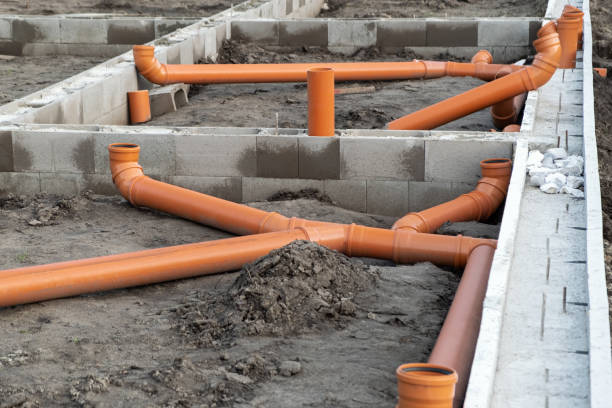
What Does UKDP’s Sewer Connection Work Look Like?
Why Choose UKDP for a New Sewer Connection?
UKDP combines drainage experience, water company liaison and practical installation work to manage new sewer connections across the UK.
Drainage experience since 2009
Our experience covers private drainage, public sewer connections and the site conditions that affect the proposed route.
Applications managed for you
We prepare the Section 106 application and coordinate additional highway permissions where the approved route requires them.
Site-specific connection design
Every connection is planned around the sewer location, property levels, available access and whether gravity or pumping is required.
Clear project costs
Once the route and required permissions are confirmed, UKDP provides a clear quotation for the installation work.
Insurance support where relevant
Where insured damage or a failed private system leads to a sewer connection, we can assess eligibility and assist with the claim.
Nationwide, locally delivered
UKDP engineers and trusted local partners complete sewer connection projects across the UK, coordinated by our central team.
What Changes After a New Sewer Connection?
Connecting to the public sewer replaces reliance on private wastewater storage or treatment with an approved route into the mains network.
Before the Sewer Connection
- The property relies on a septic tank, treatment plant or cesspit
- The existing system has failed or reached the end of its serviceable life
- Repeated repairs or emptying create ongoing costs
- The current discharge arrangement is unsuitable or non-compliant
- The route and connection point remain unconfirmed
- Wastewater is treated or stored within the property boundary
After UKDP Completes the Connection
- The property drains directly to the public sewer
- The connection follows the water company’s approved route
- Gravity drainage or pumping is installed to suit the site levels
- Required applications and permissions have been completed
- Redundant private equipment is decommissioned where included
- Excavated areas are reinstated after the connection work
Can a Sewer Connection be Covered by Insurance?
Insurance can cover a new sewer connection when it forms part of an accepted claim. This includes some cases where a failed septic tank or sewage treatment plant must be replaced and the property is close enough to a public sewer for connection to be required.
Damage to private drainage within the property boundary can also fall under the property owner’s insurance, depending on the policy and cause of damage. Problems beyond the boundary are generally the water company’s responsibility.
UKDP can assess the circumstances, check potential eligibility and assist with the insurance claim where cover applies.
Who Does UKDP Help With New Sewer Connections?
UKDP plans sewer connections around the property, available public sewer and requirements of the people responsible for approving or managing the work.
Homeowners
Help connecting your home to the public sewer, from the Section 106 application through to the finished connection.
Learn moreLandowners
We assess connection options for individual properties, rural estates and wider portfolios, including route planning, water company applications and highway permissions.
Learn moreInsurers
We provide technical findings and costed proposals where insured damage or a failed private drainage system leads to a new sewer connection.
Learn moreEstate Agents
Where a survey identifies a failed or unsuitable private system, we explain the connection options, likely costs and work required to support the property transaction.
Learn moreWhat Else Should You Know About Sewer Connections?
Can I Connect to Mains Drainage If I Have a Septic Tank?
Learn what determines whether a mains connection is possible, including sewer proximity, available capacity, excavation and highway access.
Read article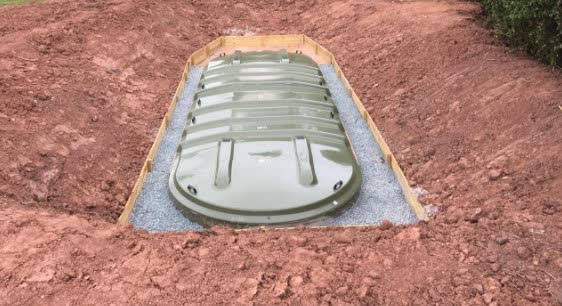
What Do the Latest Septic Tank Regulations Mean for You?
Understand when a non-compliant septic tank discharge must be changed and when connecting to the public sewer is one of the available solutions.
Read article
Is Septic Tank Damage Covered by Your Home Insurance Policy?
Find out which types of septic tank damage can fall under home insurance and why the cause of damage and policy wording matter.
Read articleSewer Connections: Frequently Asked Questions
Ask our teamIs it possible to connect my property to the mains sewer?
A mains sewer connection is possible when there is a suitable public sewer nearby, sufficient capacity within the network and an achievable route from the property. UKDP checks the available sewer records, assesses the site and submits a Section 106 application to the water company. The water company then confirms whether the proposed connection point and method are acceptable before the installation is planned.
Will my sewer connection work by gravity or require a pump?
The levels between the property and the public sewer determine the answer. A gravity connection works when the pipe can be installed with enough fall for wastewater to flow naturally. A pumping system is required when the public sewer is too high or the route cannot provide a suitable gradient. UKDP checks the site levels and connection route before specifying the correct arrangement.
When are Section 50 and Section 104 approvals needed?
A Section 50 licence is required when the connection work involves opening a public highway and UKDP needs permission to carry out the street works. Traffic management or a separate road closure application can also be required. A Section 104 agreement applies when newly installed sewer infrastructure will be formally adopted by the water company. It is separate from the Section 106 connection application and can involve legal agreements, easements and additional technical requirements.
Does a sewer shown on a map mean my property can connect to it?
No. A sewer map confirms that an asset is recorded nearby, but it does not confirm capacity or guarantee approval of the proposed connection point. The sewer’s position, depth and function must also be considered. UKDP checks the available information and submits the Section 106 application so the water company can assess whether the connection is viable.
What happens if the water company says the sewer has no capacity?
The original proposal cannot proceed if the water company confirms that the sewer lacks capacity. UKDP reviews the response to establish whether another connection point, route or drainage arrangement is available. The water company can also identify improvements required before it will accept additional flow. We then explain the available options and the applications, work and costs associated with a revised proposal.
Must I connect if my septic tank is within 30 metres of a public sewer?
Under Building Regulations Approved Document H1, a mains connection generally needs to be considered when a failed septic tank or sewage treatment plant serves a property within 30 metres of an available public sewer, where connecting is practical and reasonable. For a shared private system, the relevant distance can increase according to the number of properties it serves. UKDP can check the sewer location and connection feasibility.
Can a sewer connection cross a neighbour’s land?
Yes, when the route is technically suitable and the required legal rights have been secured. The landowner’s agreement and a formal easement are normally needed to install, use and maintain pipework across third-party land. These arrangements should be completed before installation begins. UKDP can assess the proposed route, while the affected property owners and their solicitors formalise the necessary rights.
What happens to the old septic tank after connecting to the sewer?
The redundant septic tank, treatment plant or cesspit needs to be safely decommissioned as part of the agreed project scope. The correct method depends on the system, its condition and the future use of the area. This can involve emptying, cleaning, removing or filling the structure and disconnecting the old pipework. UKDP confirms the required work before installation begins.
Can one sewer connection serve several properties?
A connection can serve more than one property when the pipework has sufficient capacity and the water company approves the arrangement. The design must account for the combined wastewater flow, route, access and future maintenance responsibilities. Shared connections can also require legal agreements between property owners. UKDP includes these details in the proposed design and application.
How long does a new sewer connection take?
The programme depends on the application response, connection route and permissions required. A connection contained within private land is generally more straightforward than one involving a public highway, traffic management or third-party land. Section 104 adoption and legal easements can also extend the programme. UKDP confirms the project stages once the water company has responded and the full scope is known.
Who is responsible for the sewer connection after completion?
The property owner is generally responsible for private drainage within the property boundary. Shared sewers and adopted public sewer assets are usually maintained by the water company. Responsibility can differ where private pipework crosses other land or where new infrastructure has not been formally adopted. UKDP identifies the proposed ownership arrangement so you understand which parts remain private after completion.
Ready to Discuss Your New Sewer Connection?
Tell UKDP about your property, existing drainage and the location of the nearest public sewer. Our team will explain the feasibility checks, applications and next steps required to move your connection project forward.