
Drain Pipe Lining
Drain pipe lining repairs suitable cracked or leaking pipework from within, often avoiding excavation and full pipe replacement.





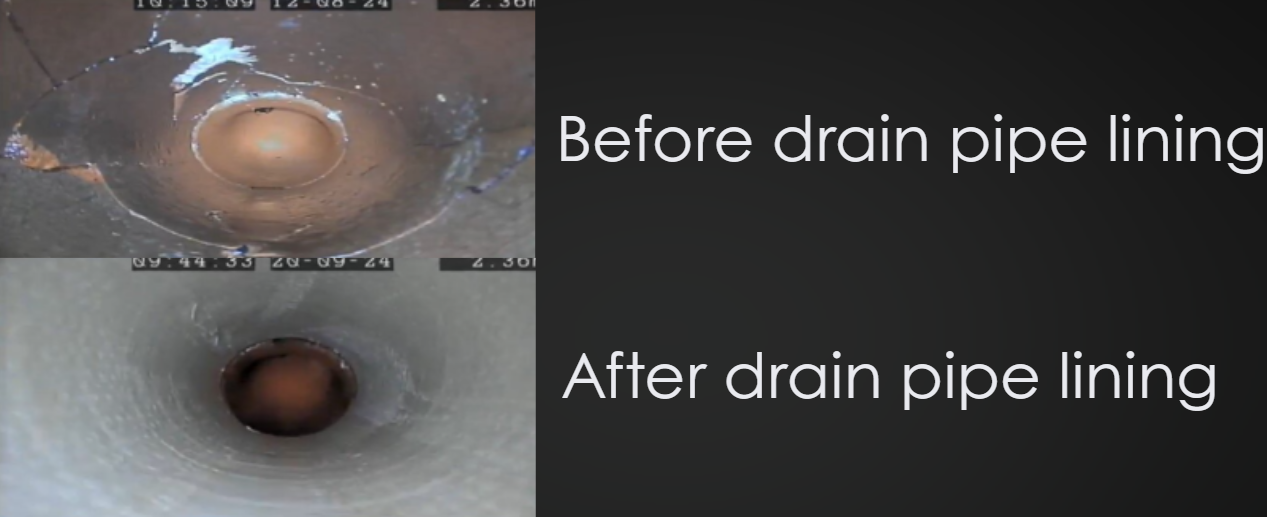
Drain Pipe Lining is a No-Dig Repair Method
Drain pipe lining is a method of repairing suitable damaged pipework from inside the existing drain. A flexible, resin-coated liner is inserted into the cleaned pipe and cured until it forms a hard internal layer.
The liner covers cracks and defective joints without excavating and replacing the full pipe run. Severely collapsed or deformed drains may require a different repair.
Drain Lining Can Repair Several Common Drain Defects
A liner creates a continuous internal layer across damaged sections of pipework. Depending on the pipe’s condition, it can be used to address:
- Cracks and fractures
- Open or leaking joints
- Small gaps and holes
- Entry points left after roots are removed
- Worn or deteriorated internal surfaces
The method is intended for pipes that remain broadly intact. A collapsed or severely displaced drain will usually need a different repair.
UKDP's Other Drainage Services
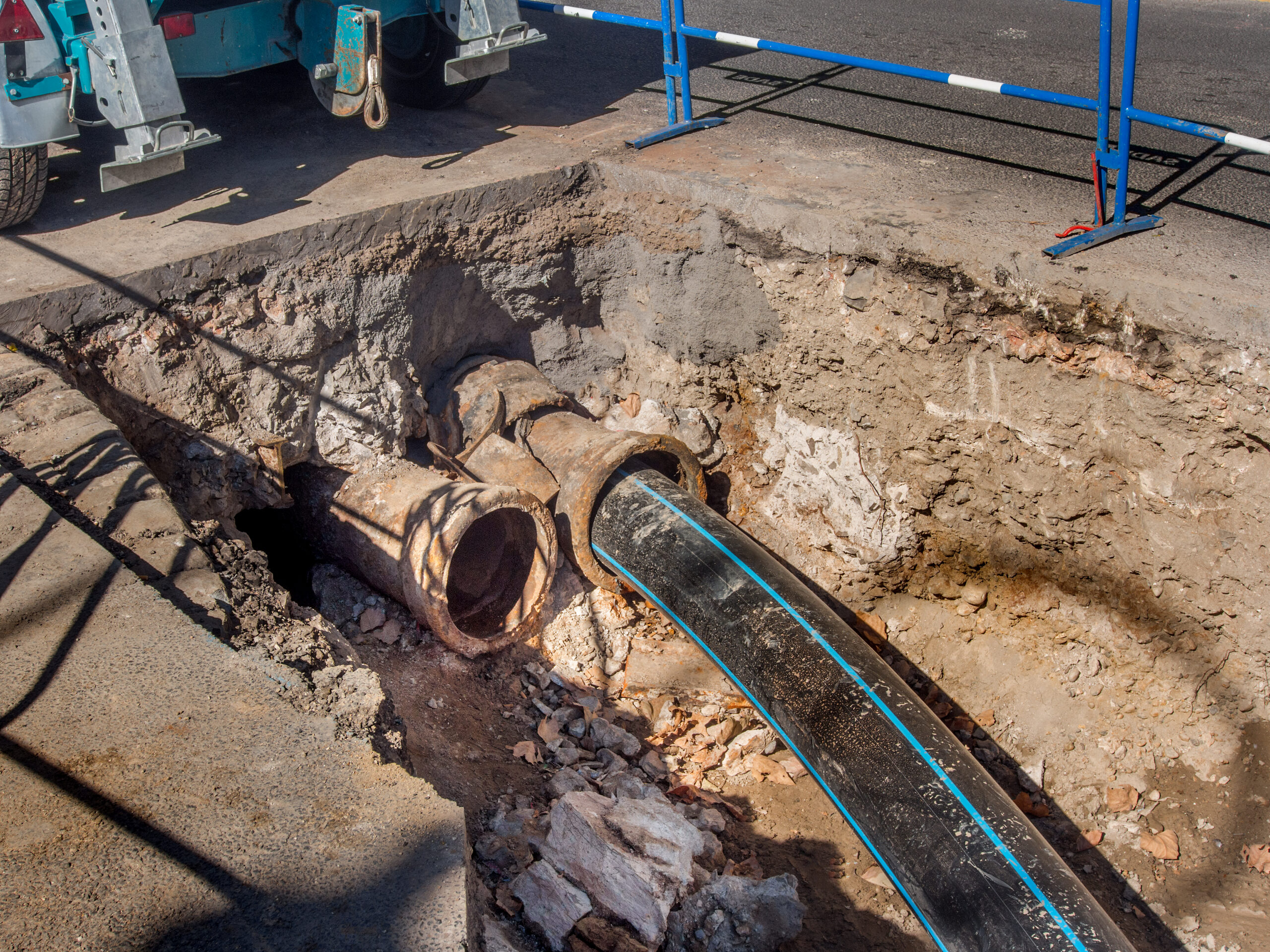
Pipe lining repairs suitable existing pipework, but some problems must be cleared first or require a different solution. UKDP recommends the service that matches the condition of the drain.
High Pressure Jetting
Grease, silt, scale and loose debris can be cleared from suitable drains. Cleaning may also be required before a liner is installed.
Learn moreSewer Connections
A new connection may be needed where private drainage must join the public sewer or an unsuitable existing arrangement is being replaced.
Learn moreRoot Cutting
Intrusive roots are removed from accessible pipework before the drain is checked for damage and its suitability for lining or another repair.
Learn moreHow Drain Pipe Lining Works
The precise method depends on the pipe and lining system, but a typical installation follows these stages.
Inspect the pipework
The defect, pipe dimensions, access points and connected branches are identified before work begins.
Clean and prepare the drain
Roots, deposits and loose material are removed so the liner can sit correctly against the pipe wall.
Position the liner
A flexible liner coated or impregnated with resin is inserted through a suitable access point and placed across the damaged section.
Expand and cure the liner
The liner is pressed against the inside of the pipe and cured until it forms a hard, continuous internal layer.
Complete the final checks
Connections are reopened where required, excess material is trimmed and the finished lining is inspected.
What UKDP Customers Say About Our Drainage Solutions
UKDP have, from my first contact with them, been very helpful, informative and re-assuring even when all hope seemed lost for a favourable outcome. Their in-depth knowledge and sheer determination made our claim possible where I feel sure most companies would have given up!
Thank you all so very much for all your work on my behalf. There is no way it was going to get done without your input. I would recommend you to anyone with similar problems. It's such a relief to have it done. Thanks again.
I cannot fault the tremendous work carried out by UKDP. From start to finish, all involved exhibited a professional, dedicated and high standard of work ethic. They treated my property with the utmost respect.
Drain Pipe Lining Costs
Drain lining is priced as a separate repair once the damaged section and suitable method are known. The quotation may be affected by:
- The length and diameter of the pipe
- The location and extent of the damage
- Access to the affected section
- Cleaning or root removal required beforehand
- The lining and curing method used
- Branch connections that must be reopened
- Final inspection of the completed repair
UKDP provides a quotation based on the work needed at the property rather than a fixed price per job.
UKDP's Recent Drain Pipe Lining Work
The Choice Between Drain Lining and Pipe Replacement
Drain lining retains the existing pipe and may avoid disturbing floors, driveways or gardens. Excavation becomes necessary when the pipe can no longer support a liner or the damaged section must be physically replaced.
Drain lining may be suitable when
- The pipe retains its shape
- Cracks or fractures are contained
- Joints are open or leaking
- Root entry has damaged an otherwise stable pipe
- The affected section can be reached internally
- Avoiding excavation would reduce disruption
Pipe replacement may be required when
- The pipe has collapsed
- Sections are severely deformed
- Joints have become badly displaced
- Part of the pipe is missing
- The remaining pipe cannot support a liner
- The required repair cannot be completed through existing access
Drain Pipe Lining May be Covered by Your Insurance
Cover depends on the cause of the damage and the terms of your buildings insurance policy. UKDP’s eligibility checker can help establish whether your repair may qualify.
If it does, our in-house claims team can support you through the process and help with the claim, from providing evidence of the damage to arranging the recommended pipe repair.
Who UKDP Helps with Drain Lining Services
We provide clear repair recommendations and practical support for people making decisions about damaged underground pipework.
Homeowners
Drain lining that repairs cracked or leaking pipework at your home without digging up the garden.
Learn moreLandowners
Repair suitable drains beneath homes, estates and managed land with less excavation and disruption to the surrounding property.
Learn moreInsurers
Receive clear evidence of the defect, the proposed lining method and the work required to complete an eligible repair.
Learn moreEstate Agents
Help buyers and sellers understand whether a drainage defect can be lined, what the repair involves and how it may affect the transaction.
Learn moreRelated Blogs

Collapsed Drain? How to Spot, Claim and Prevent Damage
Learn the warning signs of a collapsed drain, common causes and what evidence may support an insurance claim.
Read article
Does Home Insurance Cover Damage From Tree Roots in Drains?
Find out how insurers may assess root damage, which exclusions to check and what evidence you could need.
Read article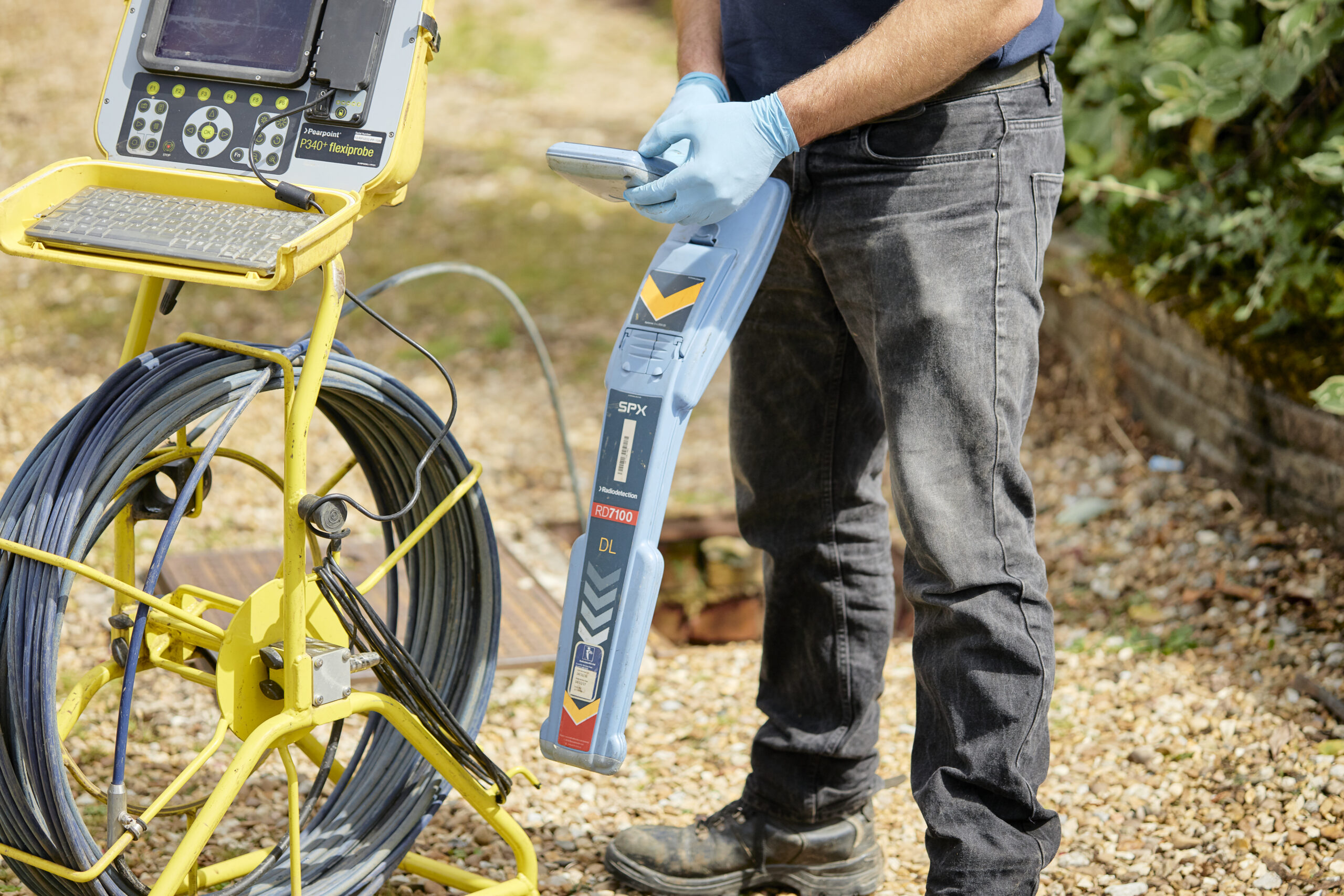
CCTV Drainage Surveys and Septic Tank Inspections
See how CCTV surveys locate cracks, displaced joints and root ingress, helping establish whether a drain can be lined rather than dug up.
Read articleDrain Pipe Lining: Frequently Asked Questions
Ask our teamCan a drain be lined after tree roots have entered it?
Yes, if the roots can be removed and the remaining pipe is stable enough to support a liner. The liner can cover cracks or defective joints where roots entered. However, lining will not address every cause of root intrusion, so the surrounding conditions must also be considered.
Can only the damaged section of a drain be lined?
Yes. A localised defect may be suitable for patch lining, which repairs a shorter section of pipe. Longer or repeated defects may require a full-length liner. The appropriate option depends on the position and extent of the damage, the pipe dimensions and the available access.
Can pipe lining repair a drain beneath a driveway or extension?
It may be possible to line the pipe through an existing access point without excavating the surface above it. This can be particularly useful beneath driveways, patios, gardens or buildings. Excavation may still be needed if the pipe has collapsed, moved significantly or cannot be reached internally.
Can drains with bends and branch connections be lined?
Some bends and changes in direction can be lined, but suitability depends on their angle, the pipe diameter and the lining system used. Connected branches must be identified and reopened where necessary after curing. Very sharp bends or complex pipe layouts may require another repair method.
Does drain lining make the pipe narrower?
A liner slightly reduces the pipe’s internal diameter because it adds a new layer inside the existing drain. However, the finished surface is smooth and continuous. The pipe dimensions and required capacity are considered before lining is recommended, ensuring the reduction will not compromise normal drainage.
Will lining stop a drain from becoming blocked again?
Lining may help where blockages recur because of cracks, open joints or rough internal surfaces catching debris. It will not resolve problems caused by unsuitable items entering the drain, grease build-up, an incorrect gradient or damage elsewhere in the system. The underlying cause must determine the repair.
How soon can a drain be used after pipe lining?
The drain can usually return to service once the resin has fully cured and the completed liner has passed its final checks. The curing period varies according to the lining material, installation method, pipe length and site conditions. The team completing the repair will confirm when it is ready to use.
How long does drain pipe lining last?
A correctly specified and installed liner is intended to provide a long-term repair, but there is no single lifespan for every installation. Its durability depends on the lining system, workmanship, condition of the host pipe, surrounding ground and future use.
Discuss Your Drain Repair with UKDP
If damage has been identified in your pipework, UKDP can explain whether drain lining is suitable and provide a quotation for the required repair. If lining is not appropriate, we will set out the alternative options clearly.