
High-Pressure Jetting for Drain Cleaning
High-pressure jetting helps clear blockages and remove built-up debris from suitable drainage pipes. UKDP uses this method where appropriate to restore flow through the drainage system.



What is High-Pressure Drain Jetting?
High-pressure drain jetting is a method of clearing and cleaning drainage pipes using water delivered through a specialist hose and nozzle. The water breaks up obstructions and flushes loosened material through the system.
It is commonly used for grease, silt, scale and other accumulated debris. The pressure and nozzle must suit the pipework and the type of blockage, particularly where drains are older or their condition is uncertain.
When is High-Pressure Drain Jetting Used?
High-pressure jetting may be used when accumulated material is restricting the flow through otherwise suitable drainage pipes. Common examples include:
- Grease and fat deposits
- Silt, mud and loose debris
- Soap residue and organic build-up
- Scale attached to the pipe walls
- Material left after a blockage has been broken up
It may also be used to clean accessible pipework before a CCTV inspection, allowing the condition of the drain to be seen more clearly.
What If High-Pressure Jetting Does Not Solve the Problem?
High-pressure jetting clears certain obstructions but does not repair damaged pipework or resolve every cause of restricted flow. A different service may be more suitable where investigation identifies roots, structural defects or connection requirements.
Drain Pipe Lining
If cleaning reveals cracks or leaking joints, suitable pipework may be sealed internally with a new lining rather than excavated along its full length.
Learn moreSewer Connections
A new connection may be required where private drainage needs to join the public sewer network or an existing arrangement is being replaced.
Learn moreRoot Cutting
Where root growth is obstructing the drain, specialist cutting equipment can remove the intrusion before the pipe is checked for the point of entry.
Learn moreHow Does High-Pressure Drain Jetting Work?
High-pressure drain jetting uses a specialist hose and nozzle to clean accessible pipework from the inside.
Access the pipework
The hose is introduced through a suitable drain access point.
Match the equipment to the drain
The pressure and nozzle are selected according to the pipe material, diameter and type of obstruction.
Break up the blockage
Powerful water jets loosen grease, silt, scale and other accumulated material from inside the pipe.
Flush the debris through
The loosened material is carried away, helping to restore the flow through the drain.
Check the result
Where blockages recur or damage is suspected, a CCTV inspection can show whether further work is required.
What do UKDP Customers Say About Our Drainage Solutions?
UKDP have, from my first contact with them, been very helpful, informative and re-assuring even when all hope seemed lost for a favourable outcome. Their in-depth knowledge and sheer determination made our claim possible where I feel sure most companies would have given up!
Thank you all so very much for all your work on my behalf. There is no way it was going to get done without your input. I would recommend you to anyone with similar problems. It's such a relief to have it done. Thanks again.
UKDP had been monitoring our problems with root ingress and decided the treatment plant would need replacing. They offered to manage the insurance claim, which they did very successfully. I had very little to do. Real specialists!
Can High-Pressure Jetting be Used on Every Drain?
High-pressure jetting is suitable for many drainage systems, but the pipework must be able to withstand the process. Older, cracked or displaced pipes may require inspection before jetting begins.
Also, jetting can remove accumulated material, but it cannot repair structural damage. If blockages keep returning, a CCTV survey may be needed to identify defects, root ingress or a collapsed section.
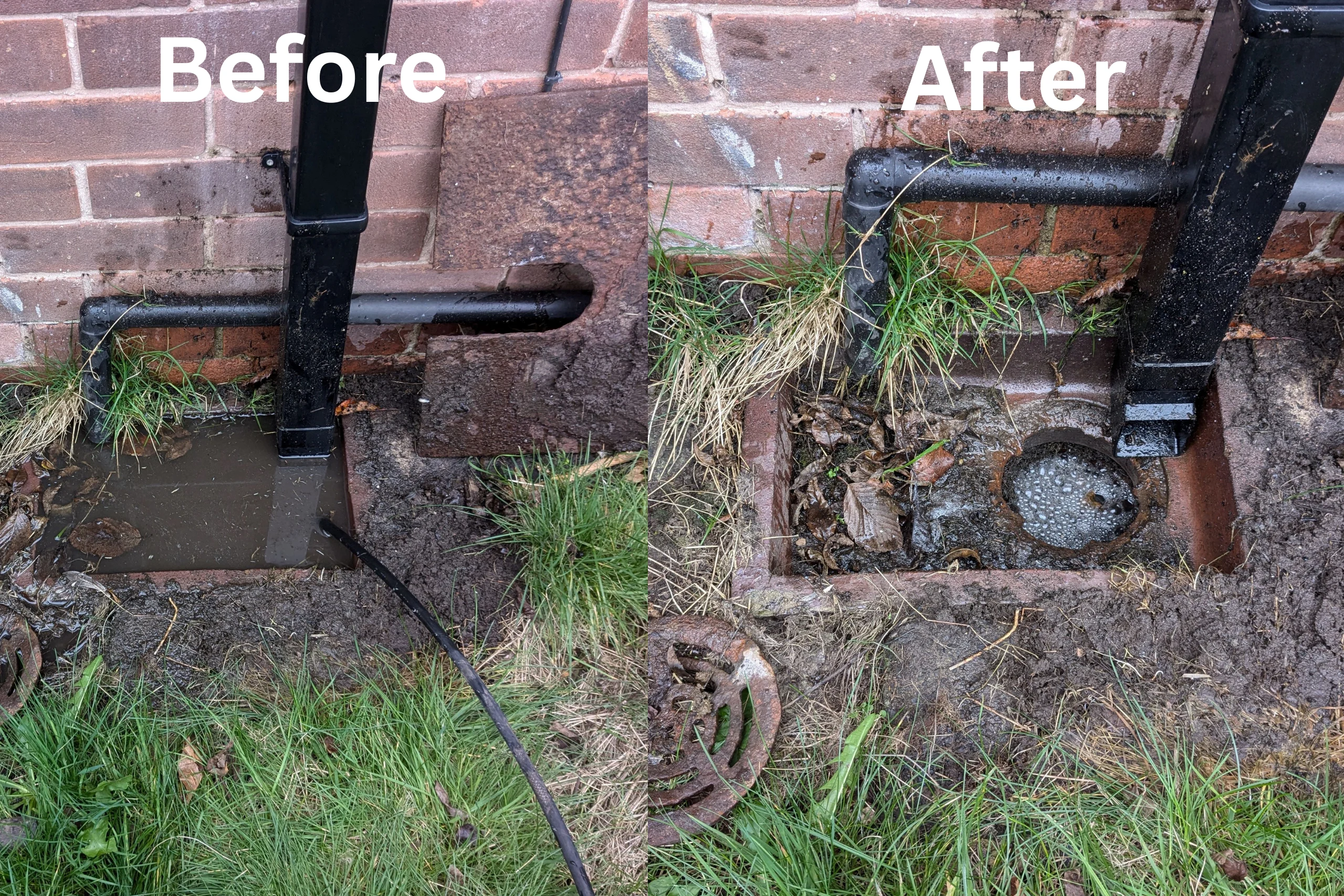
What Does UKDP’s High-Pressure Jetting Work Look Like?
Why Choose UKDP for High-Pressure Drain Jetting?
UKDP considers the cause of the blockage and the condition of the pipework before deciding whether high-pressure jetting is appropriate.
Jetting used for the right problems
We use jetting where water pressure can effectively remove grease, silt, scale or other accumulated material.
Suitable nozzles for the obstruction
Different nozzle types direct the water where it is needed to loosen deposits and move debris through the drain.
Care around older drains
Where pipework may be fragile or damaged, its condition is considered before high-pressure jetting begins.
Further investigation when needed
Recurring blockages may indicate root ingress, displaced joints or structural damage that jetting alone cannot resolve.
Pressure suited to the pipework
The equipment is adjusted to reflect the pipe’s material, diameter, accessibility and condition.
Clear advice on the next step
If cleaning will not provide a suitable solution, UKDP explains what further inspection or repair may be required.
What Can High-Pressure Jetting Improve?
Where a restriction is caused by removable deposits rather than damaged pipework, high-pressure jetting can clean the drain and improve flow.
Before high-pressure jetting
- Water drains slowly
- Grease coats the pipe walls
- Silt or mud restricts the drain
- Scale reduces the internal diameter
- Debris remains after rodding
- Build-up obscures a CCTV inspection
After appropriate jetting
- Flow through the pipe is improved
- Grease and residue are flushed away
- Loose material is removed
- Deposits are broken down and cleared
- The pipe is cleaned more thoroughly
- The pipework can be viewed more clearly
How Much Does High-Pressure Drain Jetting Cost?
The cost depends on the length and diameter of the pipework, ease of access, type of obstruction and time required to clear it. Further investigation may also be needed if the blockage returns or damaged pipework is suspected.
UKDP can assess the drainage problem and explain the appropriate work and likely cost before it proceeds.
Who Does UKDP Help with High-Pressure Drain Jetting Services?
High-pressure jetting may be used as part of planned drainage work where grease, silt, scale or loose debris is restricting suitable pipework.
Homeowners
High-pressure jetting to clear blocked drains at your home and restore normal flow.
Learn moreLandowners
For homes, farms, estates and managed sites, jetting can clear accumulated material from accessible drains and help restore flow.
Learn moreInsurers
Where a drainage claim involves a blockage, jetting can remove loose material so the underlying condition of the pipework can be assessed more clearly.
Learn moreEstate Agents
If a drainage survey identifies removable build-up during a property transaction, jetting can help clear the affected pipework before the sale progresses.
Learn moreWhat Else Should You Know About Drainage Problems?

Collapsed Drain? How to Spot, Claim and Prevent Damage
Learn how to recognise a collapsed drain, why blockages may return and when further investigation is needed.
Read article
Does Home Insurance Cover Damage From Tree Roots in Drains?
Find out how roots enter drainage pipes, the warning signs to look for and whether the resulting damage may be insured.
Read article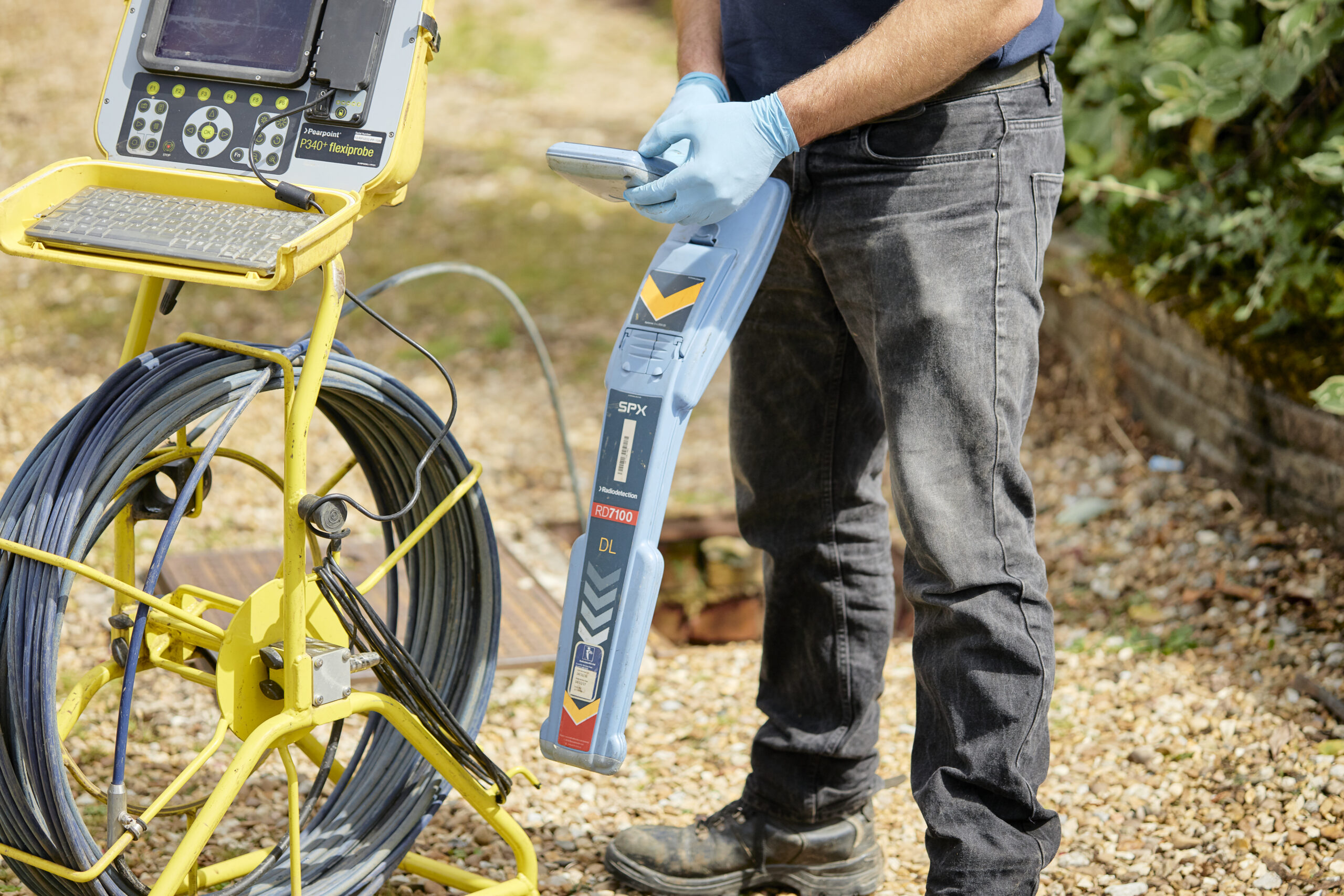
CCTV Drainage Surveys and Septic Tank Inspections
See how CCTV surveys reveal blockages, damaged pipework and other problems hidden within a drainage system.
Read articleHigh-Pressure Drain Jetting: Frequently Asked Questions
Ask our teamWhy does my drain keep blocking after it has been jetted?
A blockage can return when jetting removes the immediate obstruction but not its underlying cause. Cracked pipes, displaced joints, root ingress, poor pipe gradients or a partial collapse may continue to trap waste. A CCTV survey can help establish why the same section keeps blocking.
Is drain jetting better than drain rodding?
Neither method is automatically better. Rodding can break through a straightforward local blockage, whereas high-pressure jetting can clean a longer section of pipe and flush away loosened debris. The right choice depends on the obstruction, access and condition of the drainage pipe.
Should a CCTV survey be completed before or after jetting?
It depends on what is already known. An initial survey may be needed if damage is suspected or the blockage cannot be located. Jetting can then clear material obscuring the view, with a follow-up survey used to examine the cleaned pipework and confirm whether defects remain.
Can high-pressure jetting remove tree roots?
Jetting may clear loose material surrounding minor root growth, but it is not normally enough to remove established roots. Specialist root cutting may be required, followed by a CCTV survey to identify how the roots entered and whether the damaged pipe needs lining or another repair.
Can jetting clear a collapsed drain?
No. Jetting can remove debris but cannot restore a pipe that has collapsed or lost its structural shape. It may also be unsuitable where severe damage is already suspected. A CCTV survey can locate the collapse and help determine whether lining, excavation or replacement is required.
How long should a drain stay clear after jetting?
There is no fixed period. A drain may remain clear when the problem was a one-off accumulation of removable material. If grease continues to enter the system or the pipe has roots, damage or a poor gradient, the restriction may return until that cause is addressed.
Do drains need routine high-pressure jetting?
Not every drainage system needs routine jetting. It may be useful where repeated build-up is expected, but unnecessary cleaning should not replace sensible use or investigation of recurring problems. The condition of the pipework and its history should guide any planned maintenance schedule.
Can I use a pressure washer to jet my own drain?
A domestic pressure washer is not the same as professional drain jetting equipment. Using an unsuitable hose, nozzle or pressure can damage pipework, trap equipment underground or expose you to contaminated water. Professional assessment is safer where the blockage is deep, persistent or unexplained.
Need Advice on High-Pressure Drain Jetting?
If grease, silt, scale or debris is restricting suitable pipework, UKDP can determine whether high-pressure jetting is appropriate. Contact our team to discuss the problem and the right next step for your drainage system.