
On-Mains Drainage Solutions
Understand the condition of your mains-connected drainage system through CCTV investigation, clear findings and practical recommendations for any defects identified.



On-Mains Drainage Explained
On-mains drainage carries wastewater from a property through underground pipes into the public sewer network. It is the system used by properties connected to mains sewerage rather than a septic tank, cesspit or sewage treatment plant.
Most of the pipework is hidden below ground. A CCTV drainage survey can therefore be used to check its condition, locate defects and establish whether any cleaning or repair work is required.
CCTV Surveys Reveal Hidden On-Mains Drainage Defects
A CCTV drainage survey uses a specialist camera to inspect accessible underground pipework. It can identify blockages, cracks, displaced joints, root ingress, deformation and collapsed sections that cannot be assessed from the surface.
These surveys are commonly arranged when buying or selling a property, particularly when a surveyor or conveyancer recommends further drainage checks. They can also investigate recurring problems where the cause remains unclear.
If deposits or debris obstruct the camera’s view, the drain may need cleaning before the inspection can be completed. The findings then provide a clear basis for any recommended repair, quotation or property negotiation.
What UKDP Customers Say About Our Specialist Drainage Solutions
UKDP have, from my first contact with them, been very helpful, informative and re-assuring even when all hope seemed lost for a favourable outcome. Their in-depth knowledge and sheer determination made our claim possible where I feel sure most companies would have given up!
I cannot fault the tremendous work carried out by UKDP. From start to finish, all involved exhibited a professional, dedicated and high standard of work ethic. They treated my property with the utmost respect.
I would like to thank you regarding the claim you handled for me regarding my Septic Tank. You kept me fully informed of progress with my Insurance Company. The replacement tank was installed last month. I am so relieved that the work is now complete. I would be grateful if you could also pass on my thanks to Kevin. I think he attended three times and he was always very professional and reassuring.
Common On-Mains Drainage Problems
Underground drains can develop faults through age, ground movement, root growth, poor installation or everyday use. The symptoms and appropriate solution depend on what has happened inside the pipework.
Blockages and restricted flow
Grease, scale, silt, wipes and other debris can reduce the available space inside a drain, causing slow flow or wastewater to back up.
Cracks and fractures
Ageing materials, external pressure and ground movement can crack pipework, allowing wastewater to escape or surrounding soil to enter.
Root ingress
Roots can grow through small cracks and defective joints. As they spread, they restrict the flow and may cause further structural damage.
Displaced pipe joints
Sections of pipework can move out of alignment, creating gaps or ledges where waste collects and repeated blockages develop.
Collapsed drains
A severely damaged pipe may partially or completely collapse. This can stop the flow and usually requires structural repair or replacement.
Leaking drains
Escaping wastewater can wash away surrounding soil, contribute to ground movement and create damp, odour or hygiene concerns around the property.
UKDP's Expert Drainage Services
Different drainage problems require different solutions. UKDP provides targeted services for clearing obstructions, repairing damaged pipes and creating new sewer connections.
Drain Pipe Lining
A new lining is installed inside suitable damaged pipework to seal cracks and leaks without excavating the full drain run.
Learn moreSewer Connections
Private drainage is connected to the public sewer network, with the route, approvals and construction requirements planned around the property.
Learn moreRoot Cutting
Intrusive roots are removed from accessible drains to restore flow. The pipe can then be checked for defects that allowed the roots to enter.
Learn moreHigh Pressure Jetting
Controlled high-pressure water clears silt, grease, scale and other obstructions, restoring flow and preparing pipework for inspection or further work.
Learn moreOur On-Mains Drainage Work
Who UKDP Helps
Our on-mains drainage support is tailored to the property, the reason for the investigation and the decisions that follow.
Homeowners
CCTV investigation and repair of the private drains serving your home, including blocked, cracked or root-damaged pipework.
Learn moreLandowners
CCTV investigations and practical recommendations for private drains serving individual properties, developments or larger property portfolios.
Learn moreInsurers
Independent investigations, clear evidence and repair recommendations for claims involving damaged underground drains and connected pipework.
Learn moreEstate Agents
Clear drainage findings and quotations to help buyers and sellers understand defects, agree next steps and keep property transactions moving.
Learn moreChoosing UKDP for Your On-Mains Drainage
Established in 2009, UKDP combines practical drainage experience with clear findings, repair recommendations and nationwide coordination.
Drainage experience since 2009
Our experience with underground drainage helps us distinguish between routine blockages, structural defects and problems requiring further investigation.
CCTV drainage expertise
We use CCTV equipment to inspect accessible pipework and identify cracks, displaced joints, root ingress, obstructions and collapsed sections.
Clear findings and quotations
We explain the defects found, recommend an appropriate solution and provide a quotation where repair work is required.
In-house insurance support
Where drainage damage may be covered by buildings insurance, our claims team can assess eligibility and help with a valid claim.
£2 million Professional Indemnity cover
Our Professional Indemnity insurance supports the technical findings, advice and recommendations provided through our drainage work.
Nationwide, locally delivered
UKDP engineers and trusted local partners support properties across the UK, with each enquiry coordinated by our central team.
On-Mains Drainage Problems Have Different Warning Signs
A single slow sink may indicate a local plumbing issue. When several fixtures are affected or the same problem keeps returning, the fault may lie within the underground drainage system.
What you may notice
- Several drains empty slowly
- Blockages return after clearing
- Toilets or drains make gurgling sounds
- Foul odours develop indoors or outside
- Wastewater backs up through a toilet or drain
- Ground becomes wet, soft or sunken
What it may indicate
- A restriction within the main drain run
- Root ingress, displaced joints or damaged pipework
- Trapped air caused by a partial blockage or ventilation issue
- Accumulated waste, leaking joints or a defective connection
- A severe blockage, collapsed pipe or downstream restriction
- A leaking drain washing away the surrounding soil
On-Mains Drainage Repairs May Be Covered by Buildings Insurance
Buildings insurance may cover damage to underground drainage pipes, depending on the cause, pipe ownership and terms of your policy. Use our Eligibility Checker to establish whether the required investigation and repairs may qualify for a claim.
On-Mains Drainage Guides

Collapsed Drain? How to Spot, Claim and Prevent Damage
Recognise the warning signs of a collapsed drain, understand common causes and learn what evidence may be needed when making an insurance claim.
Read article
Does Home Insurance Cover Damage From Tree Roots in Drains?
Learn how tree roots enter drainage pipes, the signs of root ingress and when resulting damage may be covered by buildings insurance.
Read article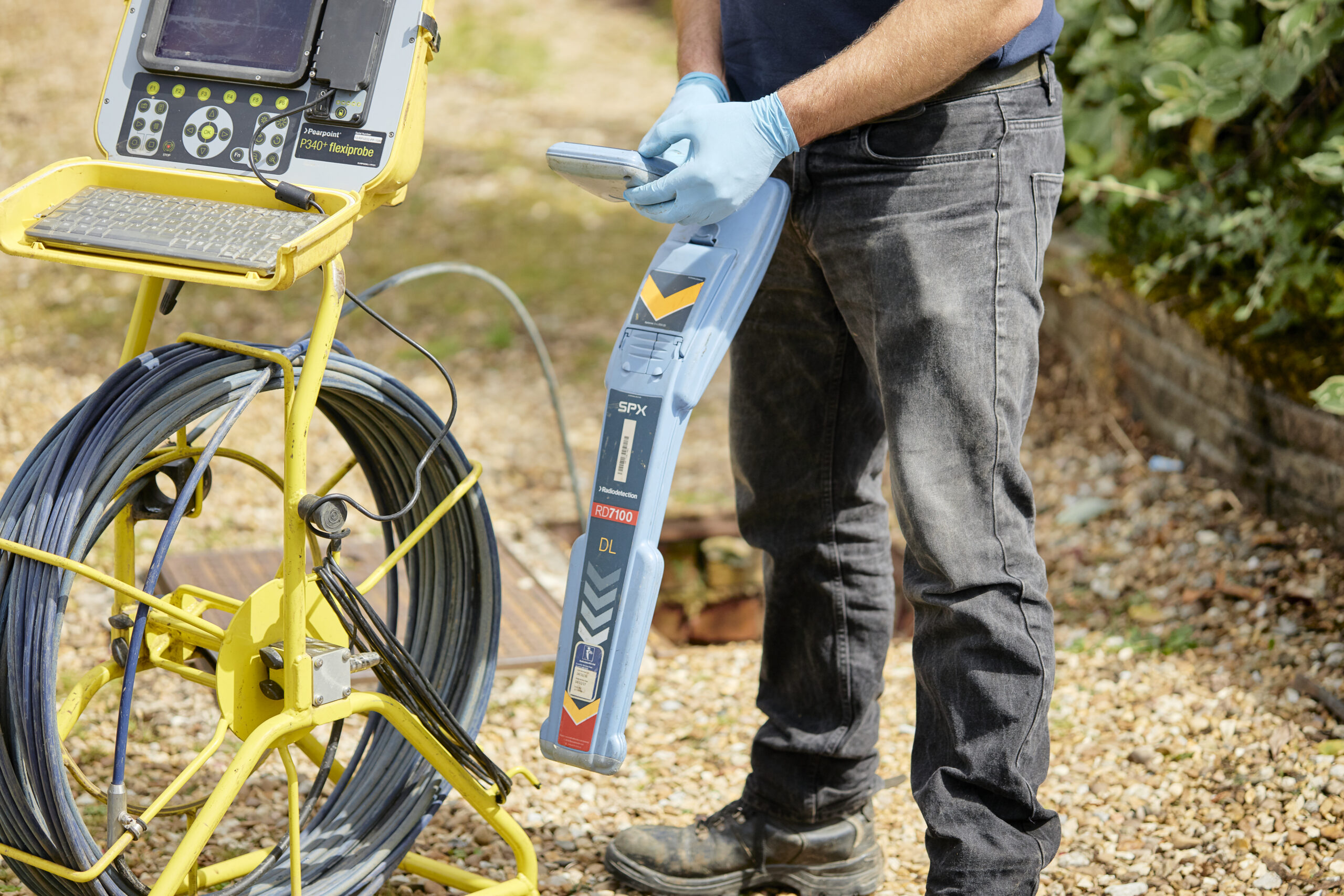
CCTV Drainage Surveys and Septic Tank Inspections
See how CCTV surveys reveal blockages, cracks and root ingress in underground drains, giving clear evidence of the pipework's condition.
Read articleOn-Mains Drainage: Frequently Asked Questions
Ask our teamHow can I tell whether my property is connected to mains drainage?
Check your water bill for sewerage charges or review the drainage information supplied when you purchased the property. Your local sewerage company may also hold connection records. Where documents are unclear, an inspection can trace the pipework and confirm where wastewater leaves the property.
Who is responsible for repairing an on-mains drain?
You are usually responsible for the section serving only your property within its boundary. The sewerage company will generally manage public sewers and pipework shared by several properties. Ownership is not always obvious, so establish where the defect lies before arranging or paying for repairs.
What is the difference between a drain, a lateral drain and a sewer?
A drain carries wastewater from one property. A lateral drain carries it beyond the property boundary until it reaches a sewer. A sewer receives wastewater from more than one property. These distinctions are important because they help determine whether the property owner or sewerage company is responsible.
Who deals with a blockage in a shared drain?
A pipe that serves several properties may fall under the sewerage company’s responsibility, even if part of it crosses private land. If only your property is affected, the blockage may be within your private drain. Checking whether neighbouring properties have the same problem can help identify where to report it.
How can I find out where my underground drains run?
Property drainage plans and sewer records provide a useful starting point, although they may not show every private or historic pipe. Accessible inspection chambers can help establish the route. Where greater certainty is required, CCTV equipment and electronic tracing can map the drain more accurately.
Can I build an extension over an on-mains drain?
Building over or close to a public sewer may require a build-over agreement from the relevant sewerage company. The drain’s position, depth, diameter and condition must be considered before work begins. Early checks can prevent redesigns, approval delays and access problems once construction is underway.
Do I need permission to connect a property to the public sewer?
A new connection normally requires approval from the sewerage company, alongside any relevant planning and Building Regulations requirements. The proposed route and connection point must be suitable for the network. Permission should be secured before excavation or connection work begins.
Does a drain need cleaning before a CCTV inspection?
Not in every case. If the pipe is reasonably clear, the camera may obtain an adequate view without cleaning. Heavy silt, grease, roots or standing waste can obscure defects, however, so jetting may be recommended before the inspection or after an initial camera pass.
Talk to UKDP About Your On-Mains Drainage
Discuss your drainage concern with our team and arrange the appropriate investigation, repair or specialist support for your property.