
Drain Root Removal Services
Drain root removal uses specialist cutting equipment to clear intrusive tree roots, restore flow and reduce recurring blockages within the pipework.





Drain Root Removal Clears Intrusive Roots From Pipework
Drain root removal uses a specialist cutting nozzle fitted to a high pressure jetting hose. The nozzle breaks through roots growing inside an accessible drain, and the loosened material is then flushed from the pipe.
Removing the obstruction restores space for wastewater to flow and helps resolve blockages caused by dense root growth.
How Tree Roots Enter Drains
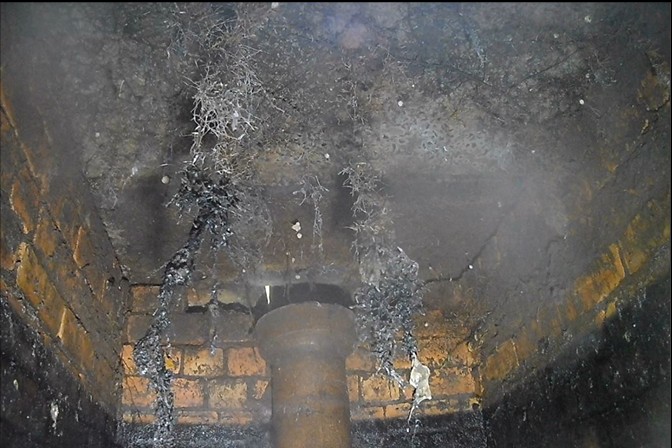
Fine roots grow towards moisture and can enter pipework through small cracks, displaced joints or deteriorated connections. Once inside, they spread across the pipe and catch waste passing through the drain.
As the root mass thickens, water flow becomes restricted and blockages may begin to recur. Continued growth can also place further pressure on the existing defect.
UKDP's Other Drainage Services
Root removal clears the obstruction, but additional cleaning or repair may be needed where the pipe contains debris, cracks or defective joints. UKDP recommends the service suited to the condition of the drain.
High Pressure Jetting
Grease, silt and loose debris can be flushed from suitable pipework to leave the drain clear after the roots have been cut.
Learn moreSewer Connections
A new connection may be required where private drainage must join the public sewer or an unsuitable existing arrangement needs replacing.
Learn moreDrain Pipe Lining
Suitable cracks and open joints can be sealed from inside the pipe after root removal, often avoiding excavation and full replacement.
Learn moreHow UKDP's Root Cutting Service Works
A typical drain root removal follows these stages.
Locate the root intrusion
The position and extent of the roots are identified, together with the condition of the affected pipework.
Access the drain
A suitable access point is used to introduce the jetting hose and root-cutting equipment.
Cut through the roots
A specialist nozzle breaks up and removes the root mass restricting the pipe.
Flush out the debris
Water carries the cut roots and loosened material through the drain, helping restore flow.
Confirm the next step
The result is checked, and lining or another repair may be recommended if the roots entered through damaged pipework.
What UKDP Customers Say About Our Drainage Services
UKDP have, from my first contact with them, been very helpful, informative and re-assuring even when all hope seemed lost for a favourable outcome. Their in-depth knowledge and sheer determination made our claim possible where I feel sure most companies would have given up!
Thank you all so very much for all your work on my behalf. There is no way it was going to get done without your input. I would recommend you to anyone with similar problems. It's such a relief to have it done. Thanks again.
UKDP had been monitoring our problems with root ingress and decided the treatment plant would need replacing. They offered to manage the insurance claim, which they did very successfully. I had very little to do. Real specialists!
Signs of Tree Roots in Drains
Root intrusion develops underground, but changes in how the drainage system behaves may indicate a growing obstruction. Common warning signs include:
- Blockages that return after clearing.
- Water draining more slowly than usual.
- Gurgling sounds from toilets or plugholes.
- Unpleasant smells around drains or manholes.
- Wastewater backing up into the property.
- Several connected drains becoming slow at once.
These symptoms can have other causes, so the source of the restriction must be confirmed before root removal is recommended.
UKDP's Drain Root Removal Work
Before and After Drain Root Removal
Root cutting removes intrusive growth from the pipe and restores space for wastewater to pass through. The outcome depends on the condition of the drain beneath the obstruction.
Root-Obstructed Drain
- Roots extending through cracks or open joints
- Restricted wastewater flow
- Waste and debris caught around the roots
- Slow drainage or recurring blockages
- Increased pressure on damaged pipework
- The underlying defect hidden by root growth
After Root Removal
- Intrusive roots cut from the pipe
- A clearer route for wastewater
- Trapped material flushed away
- Improved drainage flow
- Pipework ready for closer inspection
- Repair options identified where required
Insurance Cover for Root Damage
Your buildings insurance may cover drainage work where tree roots have entered and damaged underground pipework, although eligibility depends on the cause of the damage and the terms of your policy.
UKDP’s Eligibility Checker helps determine whether the root removal and any associated pipe repair may qualify for an insurance-backed claim.
If the work is eligible, our team can provide the required drainage evidence, liaise with your insurer and help with the claim through to the completion of the approved repair.
Who UKDP Helps With Drain Root Removal
UKDP provides clear advice and practical support to those responsible for investigating root intrusion, arranging repairs or managing the cost of drainage damage.
Homeowners
Removal of tree roots from the drains at your home, followed by advice on preventing them returning.
Learn moreLandowners
We remove intrusive roots from drains serving individual properties, estates and larger landholdings, with further repair recommended where the pipework is damaged.
Learn moreInsurers
We provide clear drainage findings and evidence to support decisions about root-related damage, eligible claims and the required repair.
Learn moreEstate Agents
We help clarify root intrusion identified during a property transaction, explaining the extent of the problem and the work needed to address it.
Learn moreMore Advice on Root Damage and Drain Repairs
Septic Tank Tree Root Problems
Learn how roots affect septic tanks and connecting pipework, which signs to watch for and what repairs may be needed.
Read article
Does Home Insurance Cover Damage From Tree Roots in Drains?
Find out when root-related drain damage may be covered and what evidence can support an insurance claim.
Read article
Collapsed Drain? How to Spot, Claim and Prevent Damage
Understand the warning signs of a collapsed drain, common causes and the next steps when structural damage is found.
Read articleDrain Root Removal: Frequently Asked Questions
Ask our teamWill tree roots grow back after they have been cut from a drain?
They can. Root cutting removes the growth inside the pipe but does not seal the crack or open joint through which it entered. If the access point remains, new growth may eventually appear. Pipe lining or another repair may be recommended after removal to close the defect and reduce the risk of further intrusion.
Does root ingress mean the drain has collapsed?
Not necessarily. Fine roots can enter through a small crack, displaced joint or deteriorated connection without causing the pipe to collapse. However, established roots may widen existing defects or distort weakened pipework. The condition of the drain must be assessed after the obstruction has been removed to determine whether a repair is required.
Can roots be removed from drains beneath a driveway or extension?
Often, roots can be reached through an existing manhole or another suitable access point, avoiding excavation directly above the affected pipe. This depends on the drain layout, accessibility and extent of the obstruction. Excavation may still be required if the pipe has collapsed, shifted significantly or cannot be reached safely using internal equipment.
Can root cutting damage old clay or pitch fibre pipes?
Older pipes may already be cracked, distorted or weakened before the roots are removed. The equipment and cutting method therefore need to suit the pipe material and condition. Where the pipework is particularly fragile, the findings may indicate that lining, local excavation or replacement is more appropriate than extensive mechanical cutting.
Can drain lining be installed after the roots are removed?
Yes, if the pipe remains structurally suitable for lining. The roots and other debris must first be removed so the liner can sit correctly against the pipe wall. Lining can then seal suitable cracks or open joints from inside the drain. A collapsed or severely displaced pipe will usually require a different repair.
Does the tree need to be removed to stop roots entering the drain?
Not in every case. The immediate problem is often the defect that allowed the roots into the pipe. Removing the obstruction and repairing that entry point may resolve the drainage issue without removing the tree. Any decision concerning the tree itself should consider its condition, location and professional arboricultural advice.
Are chemical root killers an alternative to professional root removal?
Chemical products may affect some root growth, but they do not physically clear a dense obstruction or repair the damaged pipe. They can also leave dead material inside the drain. Where roots are restricting flow, specialist cutting allows the obstruction to be removed and the underlying pipe condition to be assessed.
How is it confirmed that the roots have been removed completely?
The drain can be checked after cutting to confirm that the accessible root mass and loosened debris have been cleared. This also reveals the pipe surface that was previously hidden by the obstruction. If cracks, open joints or structural damage are visible, UKDP can explain whether lining or another repair should follow.
Get Clear Advice on Root Intrusion
If tree roots are restricting your drains, UKDP can assess the problem and explain the appropriate next step. We can remove accessible root growth, establish whether the pipe has been damaged and recommend lining or another repair where required. Contact our team to discuss the drainage issue and the work needed to restore reliable flow.