
Cesspit Services
UKDP installs, inspects, empties and assesses damaged cesspits for properties without a suitable connection to mains drainage.




Cesspits Explained
A cesspit is a sealed underground tank that stores all wastewater from a property. Unlike a septic tank, it has no outlet and does not treat or discharge the waste. Everything remains inside until removed by a registered waste carrier.
Cesspits vs. septic tanks
A septic tank separates solid waste from liquid effluent, which then passes to a drainage field for further treatment. A cesspit simply retains the complete contents, so tank capacity, water use and emptying frequency directly affect its running cost.
Government guidance requires cesspits to be emptied regularly and maintained so they do not leak or overflow.
UKDP's Expert Cesspit Services
From planned emptying and condition checks to replacement tanks, UKDP provides practical support for keeping cesspits safe, contained and manageable.
Installation
We plan new and replacement cesspits around property use, site access, ground conditions and the approvals required for a sealed holding tank.
Learn moreRepairs
We survey the damage before advising whether a repair is practical. Where it is not, we explain the appropriate replacement options.
Learn moreInspection
We check for cracks, leaks, root ingress, operating-level issues and alarm faults, then provide clear findings and recommended next steps.
Learn moreEmptying
We arrange scheduled emptying by registered waste carriers, with frequency based on the tank’s capacity and actual use to help prevent overflows.
Learn moreWhat UKDP's Cesspit Service Includes
The work depends on your tank’s condition, how the property is used and the reason for your enquiry. UKDP’s support can include:
Site and access assessment
We assess property use, the tank’s location, tanker access and ground conditions before recommending the appropriate service.
Detailed condition inspection
Where the tank is emptied, we check for cracks, leaks, root ingress, operating-level problems and alarm faults, along with accessible inlet pipework.
Capacity and installation planning
For new cesspits, we establish the required capacity, suitable location and the planning and Building Regulations requirements that apply.
Scheduled cesspit emptying
We help establish an emptying schedule based on tank capacity and usage, with waste removed by a registered waste carrier.
Damage-led recommendations
We assess the extent of any damage before explaining whether a limited repair is practical or whether replacement is the safer option.
Existing tank decommissioning
For replacements, the old cesspit can be emptied, cleaned, collapsed and backfilled as part of the planned installation works.
What UKDP Customers Say
UKDP have, from my first contact with them, been very helpful, informative and re-assuring even when all hope seemed lost for a favourable outcome. Their in-depth knowledge and sheer determination made our claim possible where I feel sure most companies would have given up!
Thank you all so very much for all your work on my behalf. There is no way it was going to get done without your input. I would recommend you to anyone with similar problems. It's such a relief to have it done. Thanks again.
As a novice to insurance claims and private water treatment I needed support. UKDP guided me through the whole lengthy process with clear communication. Great job done.
How UKDP's Cesspit Services Work
The precise work depends on the condition of the tank and the service required, but every enquiry follows a clear, coordinated process.
Discuss your needs
We establish whether you need emptying, inspection, damage assessment or replacement.
Review the site
We check the tank’s location, access, property use and known history.
Assess the cesspit
Where required, the tank is emptied so its condition can be properly inspected.
Explain the findings
We confirm the recommended next step, proposed scope and costs before work begins.
Complete the agreed work
We coordinate the required emptying, inspection, practical repair or replacement installation.
Plan ongoing care
We explain future checks and an appropriate emptying schedule based on usage.
Who UKDP Helps With Cesspit Services
We support those responsible for owning, assessing or selling properties with cesspits, from routine management to damage investigations and insurance claims.
Homeowners
Arrange routine cesspit emptying, investigate suspected damage or discuss a new or replacement tank. We explain the findings, options and costs before any agreed work begins.
Learn moreLandowners
Arrange planned emptying, inspections and replacement works for cesspits serving individual properties, rural estates or larger portfolios, with clear priorities for each site.
Learn moreInsurers
Receive impartial investigations, factual reports and technical recommendations to assess cesspit damage, validate claim details and establish the appropriate scope of work.
Learn moreEstate Agents
Give buyers and sellers clear information on the cesspit’s condition, capacity, access and likely emptying requirements before a property transaction progresses.
Learn moreSigns Your Cesspit Needs Attention
Changes in emptying frequency or conditions around the tank can indicate a problem. UKDP establishes the cause before recommending maintenance, repair or replacement.
What you may notice
- The cesspit needs emptying more often than usual
- The high-level alarm activates repeatedly
- Sewage odours develop around the tank
- Wet, pooled or sunken ground appears nearby
- Cracks or root ingress are visible inside
- Emptying costs rise without a clear reason
What UKDP investigates
- Tank capacity, water use and possible groundwater ingress
- The operating level and alarm function
- The cover, seals and accessible inlet pipework
- Possible leakage, overflow or structural movement
- The extent of the damage and whether repair is practical
- A realistic emptying schedule based on capacity and use
UKDP's Recent Cesspit Work
Why Choose UKDP for Your Cesspits
Established in 2009, we combine off-mains drainage expertise, clear recommendations and nationwide delivery across inspection, emptying and replacement services.
Off-mains expertise since 2009
We understand sealed holding tanks, from sizing and tanker access to inspection, emptying and replacement.
Advice on ongoing emptying costs
We consider capacity, occupancy and water use so you understand the likely emptying frequency and running costs.
Compliance-aware installation planning
For new cesspits, we account for planning permission, Building Regulations approval and the capacity required for the property.
Evidence-led recommendations
We assess the damage before explaining whether a limited repair is practical or replacement is the appropriate next step.
Substantial business cover
UKDP carries £15 million in Public Liability, £15 million in Employers’ Liability and £2 million in Professional Indemnity insurance.
Nationwide, locally delivered
Our engineers and trusted local partners provide cesspit support across the UK, coordinated by the UKDP team.
Insurance Support for Cesspit Damage
Buildings insurance may cover cesspit repair or replacement, depending on the cause of the damage, policy wording and exclusions. Routine emptying and maintenance are not usually covered.
UKDP investigates the damage and prepares factual findings and technical evidence. Our in-house claims team can review the evidence and policy wording, liaise with your insurer and coordinate the approved repair or replacement.
If your insurer has declined the claim, we can review the decision and take it up with the insurer where there is a valid case.
Our claims support is free. You pay only your policy excess.
Cesspit Advice and Off-Mains Drainage Guides
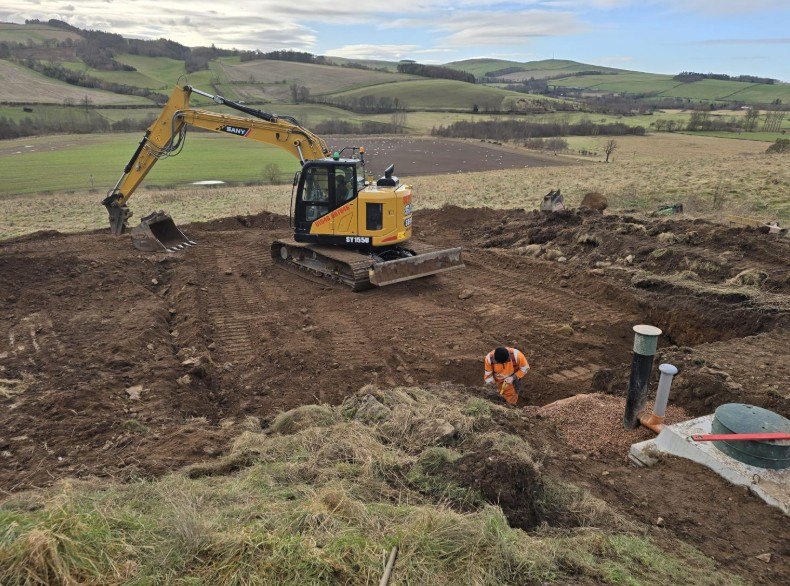
What Size Should My Septic Tank, Treatment Plant or Cesspit Be?
Find out what affects cesspit sizing and why the tank’s capacity needs to suit the property and its usage.
Read article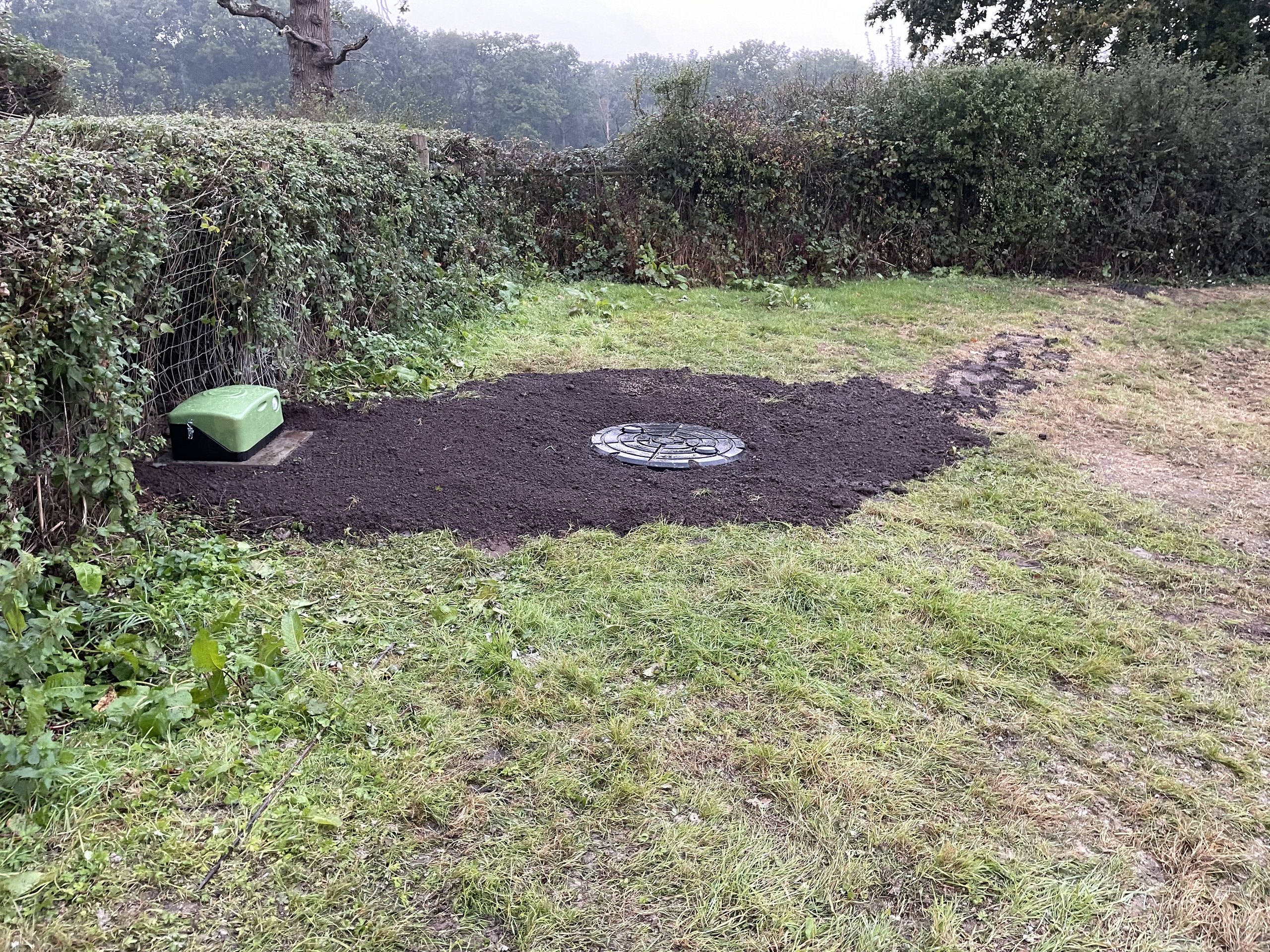
Septic Tanks vs Sewage Treatment Plants: What's the Difference?
Compare two other off-mains drainage options and understand how they differ from a cesspit that stores wastewater for collection.
Read articleCesspit Services: Frequently Asked Questions
Ask our teamHow often should a cesspit be emptied?
There is no fixed schedule. Emptying frequency depends on the tank’s capacity, the number of occupants and daily water use. Monitor the operating level and arrange collection before the cesspit overflows. Waste must be removed by a registered waste carrier.
Why is my cesspit filling up faster than usual?
Possible causes include increased water use, rainwater entering through incorrectly connected downpipes, groundwater leaking into a damaged tank or insufficient capacity. UKDP can inspect the system and use dye testing where necessary to identify the cause.
How much does cesspit emptying cost?
The cost depends on the volume removed, tanker access, property location and collection frequency. Because cesspits retain all wastewater, their ongoing emptying costs should be considered when planning or replacing a system.
Does regular emptying remove the need for inspections?
No. Emptying removes the contents but does not confirm that the tank remains watertight or structurally sound. An inspection is advisable if the cesspit fills unusually quickly, produces odours, triggers its alarm or causes wet or sunken ground nearby.
Do the General Binding Rules apply to cesspits?
In England, the General Binding Rules do not apply because a correctly operating cesspit has no discharge. It must still be maintained, emptied regularly and prevented from leaking or overflowing. Requirements differ across the UK, so it is advisable to check local regulations.
What permissions are needed for a new cesspit?
In England, a new cesspit requires planning permission and Building Regulations approval. Government guidance specifies a minimum capacity of 18,000 litres for two users, plus 6,800 litres for each additional user. Site conditions, access and regional requirements must also be assessed.
Can a leaking or cracked cesspit be repaired?
That depends on the location and severity of the damage. UKDP first surveys the emptied tank for cracks, leaks, root ingress and structural movement. A repair may be considered where practical, but replacement may be recommended if the tank cannot be restored reliably.
Will buildings insurance cover cesspit damage?
Cover may be available when damage results from an insured event and meets the policy terms. Routine emptying, maintenance and gradual deterioration are not automatically covered. UKDP can investigate the damage, prepare supporting evidence and assist with eligible claims.
How much does a cesspit cost to maintain?
Cesspit running costs depend on the tank’s size and how often it needs emptying. A cesspit only stores wastewater; it does not treat it or release it into the ground. All collected waste must be removed by tanker, so regular emptying makes it relatively expensive to run.
Arrange Cesspit Support with UKDP
Contact UKDP for practical advice on cesspit inspections, emptying, damage assessment, replacement or ongoing management anywhere in the UK.