
What happens when shared septic tanks go bad?
What happens when a shared septic tank fails, who pays, and how to avoid a dispute with the neighbours.
Key takeaways
- When a shared septic tank fails, the properties connected to it should split the costs equally, unless the deeds say otherwise.
- Each property pays the same share, whatever its size or however many people live there.
- Disputes tend to start when nobody wrote the arrangement into the deeds or a separate formal agreement.
- Informal deals between neighbours can leave a new owner paying for work the previous owner used to cover.
- You don't need separate septic tank insurance, but check that each owner's buildings policy covers accidental damage to underground services.
- Before buying, check the deeds for the shared tank, and consider a residents association that each neighbour pays into every year.
Septic tank wars!
Ok, so the title may sound a little over dramatic, but at UKDP HQ we often receive calls from property owners who have a shared septic tank with their neighbours, and things have turned a little ugly.
Now, a shared septic tank problem isn’t that much of a ‘problem’ when your neighbour is the type who feeds your cat while you’re away, and gives you a tin of your favourite biccies at Christmas.
If you’re not on such familiar terms with your neighbours, and the septic tank you share stops working, it can make for some awkward conversations. Who’s going to pay for it to be sorted out? Who’s going to make the arrangements? And what happens if not all of your neighbours are bothered about getting the problems fixed?
After all, there will only be one neighbour who has the septic tank on their property, so they’ll be bearing the brunt of the nasty niffs and any unpleasant stuff bubbling up in their garden. For some, it can be a case of ‘out of sight (or smell), out of mind’.
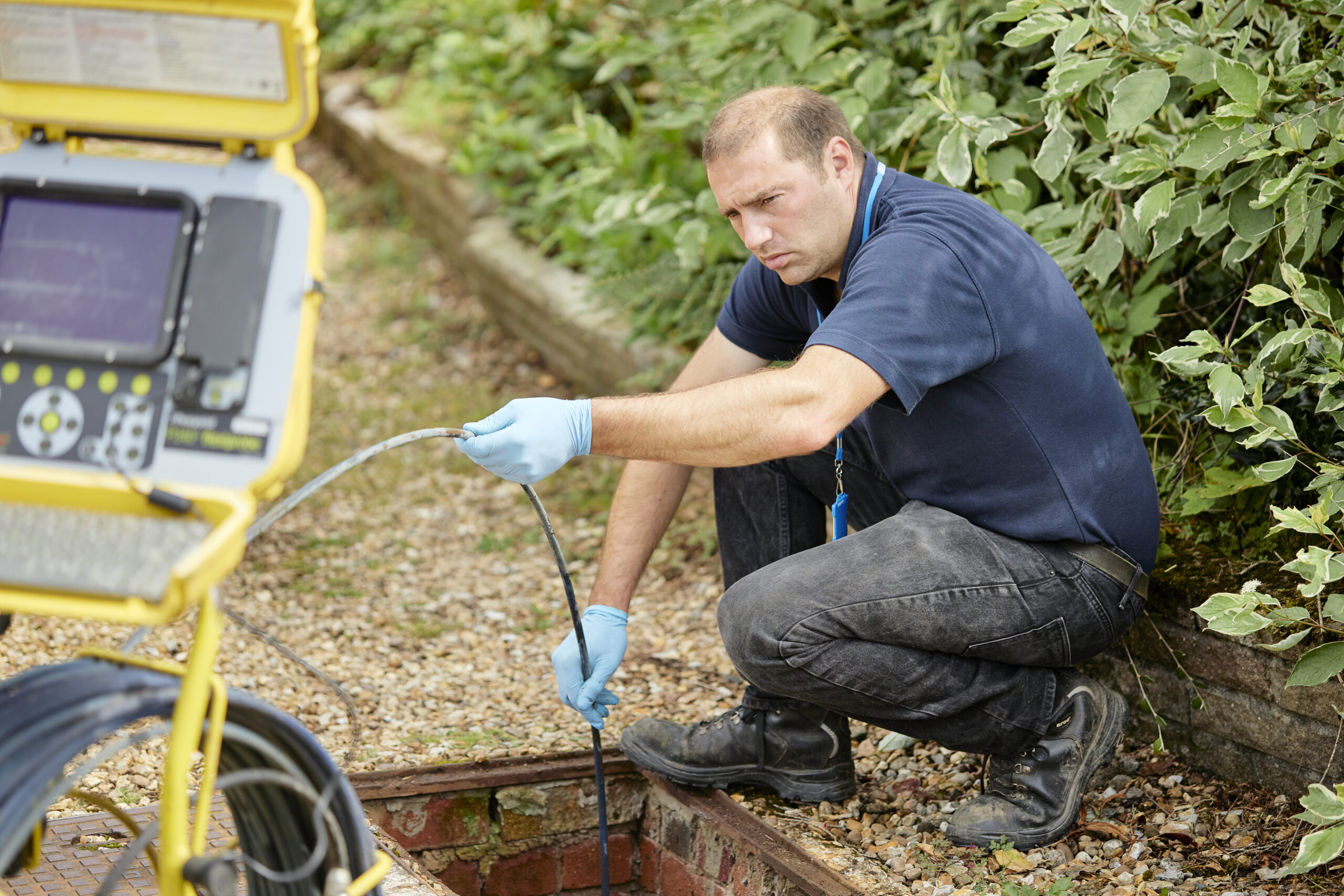
A shared septic tank works fine until it fails, and then the awkward questions start: who arranges the repair, and who pays for it? The answer usually comes down to what the property deeds say.
So, who’s on the hook for any shared septic tank problems?
The usual answer is that costs are split equally between the properties that connect to the septic tank, unless the deeds say otherwise. It doesn’t matter how many people live at each property, or how big each property is in relation to the others, it’s a straightforward share per property. The only exception to this is if something different has been agreed and formally set down in the property deeds.
So far, so straightforward. Unfortunately, things tend to go a little pear shaped when agreements haven’t been put down in writing. Typically, arrangements for the costs to maintain, repair or replace a shared septic tank (or any other off-mains drainage system) are detailed in property deeds, or a separate formal agreement.
Making sure the agreement is formal is key here. We have seen instances in which informal agreements were made between neighbours, which then came back to bite any new owners of the property on the proverbial.
Knock knock
Neighbour: Oh hi, the septic tank needs emptying, so can you sort it out please?
You: Err…it’s a shared septic tank though, aren’t we all supposed to contribute?
Neighbour: Well, maybe, but Eric always used to sort it out when it needed emptying. It needs doing quite urgently please.
You: Cursing Eric whilst hoping your deeds say different
That’s certainly not the worst example we’ve encountered of less than neighbourly behaviour when it comes to shared septic tanks. We’ve seen one case in which a neighbouring farmer parked his tractor over a septic tank to stop his neighbour being able to fix it. So, it’s best to try to avoid any future disputes right from the start.
If you are looking at buying a property that has a shared septic tank, or if you already own one, you’ll want to know exactly where you stand. Find out from the seller exactly what’s in place, and check any deeds or any other agreements. If things are quite informal, alarm bells should ring. That might work for the property owners that are there at the moment, but you’ll have no idea what you’re actually letting yourself in for.
Our best advice would always be to set up a separate residents association into which each of the neighbours can pay an agreed amount each year. This would cover the costs of any regular maintenance, with any extra for works which might need to be undertaken. It removes the need for any awkward conversations and sets down exactly how problems will be dealt with.
Do we need septic tank insurance?
We’re often called by property owners with a shared septic tank, asking if they need to have any septic tank insurance in place. The simple answer is no, but it’s a good idea to check that each property owner has the correct cover in their existing buildings insurance policy.
Most people aren’t aware that their buildings insurance policy typically provides cover for certain types of damage to their shared septic tank, sewage treatment plant or cesspit, under a section of the policy called ‘accidental damage to underground services’.
What happens if we have a shared septic tank problem?
Naturally, there are many companies you could call, but we would highly recommend calling UKDP (biased, us?). We can find out exactly what’s causing the problems with a septic tank inspection.
Did you know?
If the drainage system has become damaged then it just so happens that we’re experts in helping with insurance claims for off-mains drainage systems. If the problems haven’t been caused by anything that would be covered by your insurance, we can still help to get things fixed for you.
We’re very experienced in dealing with neighbours who may not see eye to eye, and often find that an independent third party can help take the heat out of the situation.
So, if you’re having any shared septic tank problems at all, just call our team for advice on 0800 028 9903 or contact us and we’ll get back to you as soon as possible.
Frequently Asked Questions
What can I do if a neighbour won't pay towards a shared septic tank?
Start with the deeds, which usually set out how costs are shared, then put it in writing. If that fails, it becomes a civil matter between you. A simple written agreement early avoids reaching that point.
Can I be forced to pay for a shared tank I barely use?
Often, yes. Costs are normally split equally per property regardless of how much each household uses the system, unless the deeds say something different. It feels unfair, but it's the common position.
What happens if a shared septic tank fails and nobody agrees what to do?
The system still has to be fixed to stay compliant, so delay just makes it worse. An independent inspection gives everyone the same facts to work from, which usually breaks the deadlock. We can also help mediate between neighbours.
Do we each need our own insurance for a shared septic tank?
No separate policy is needed. A shared tank is normally covered under each owner's buildings insurance, though some policies exclude parts of the system off your boundary, so check the wording.
Should we set up a formal agreement for our shared septic tank?
Yes, it's well worth it. A short written agreement covering emptying, repairs and how costs are split prevents most disputes, and a residents' arrangement with a small annual contribution spreads the cost of the big jobs.
About the author
Sam Warren
UKDP co-founder
Sam Warren co-founded UKDP with James Warren in 2009 as an off-mains drainage specialist.
Need help with your septic tank or drainage?
Reach out to us on 0800 028 9903. Our team are here to talk Monday to Friday 9am to 5pm.
Related articles
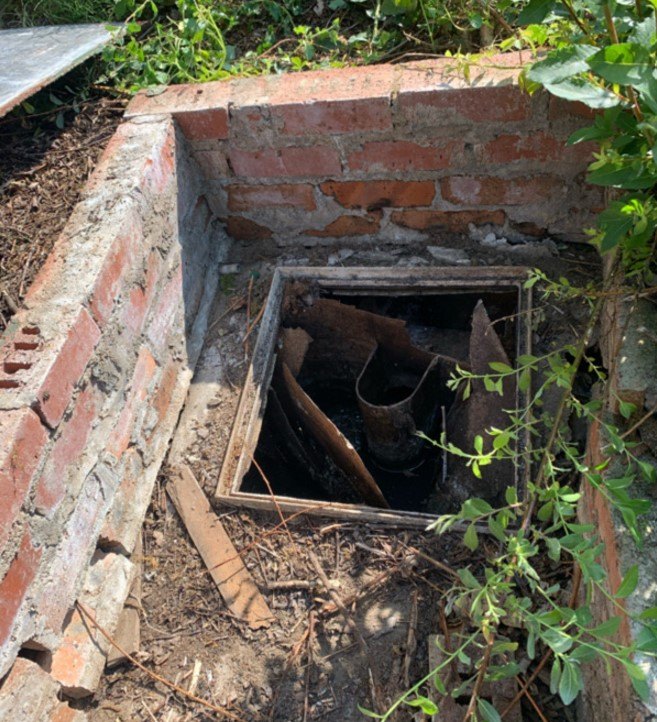
Ten Most Common Septic Tank Problems
From blockages and odours to soakaway failure, find out what goes wrong with septic tanks and how to fix and prevent it.
Read article
Is Septic Tank Damage Covered by Your Home Insurance Policy?
Understand what home insurance policies typically cover for septic tank damage, what they exclude and how to claim.
Read article