
Selling a property with a septic tank
What you must tell a buyer about a septic tank, and the checks to do before you put the house on the market.
Key takeaways
- To sell a property with a septic tank, you must tell the buyer about the system in writing and stop any discharge to a watercourse.
- The written notice should describe the system, where its main parts and discharge point are, any changes made and how to maintain it.
- Records of regular emptying help, because they show a buyer the tank has been looked after.
- A septic tank that discharges to a ditch or watercourse needs replacing or upgrading, and buyer and seller should agree who pays.
- A buyer's standard building survey only glances at the drainage, which can cause delays when it recommends a specialist survey.
- A seller's survey should include a plan of the system, its type, its condition, its compliance and the likely cost of any repairs.
- Commission a drainage survey and gather your emptying records early, before buyers start asking questions.
Here are some things to consider if you’re planning to sell a property with off-mains drainage.
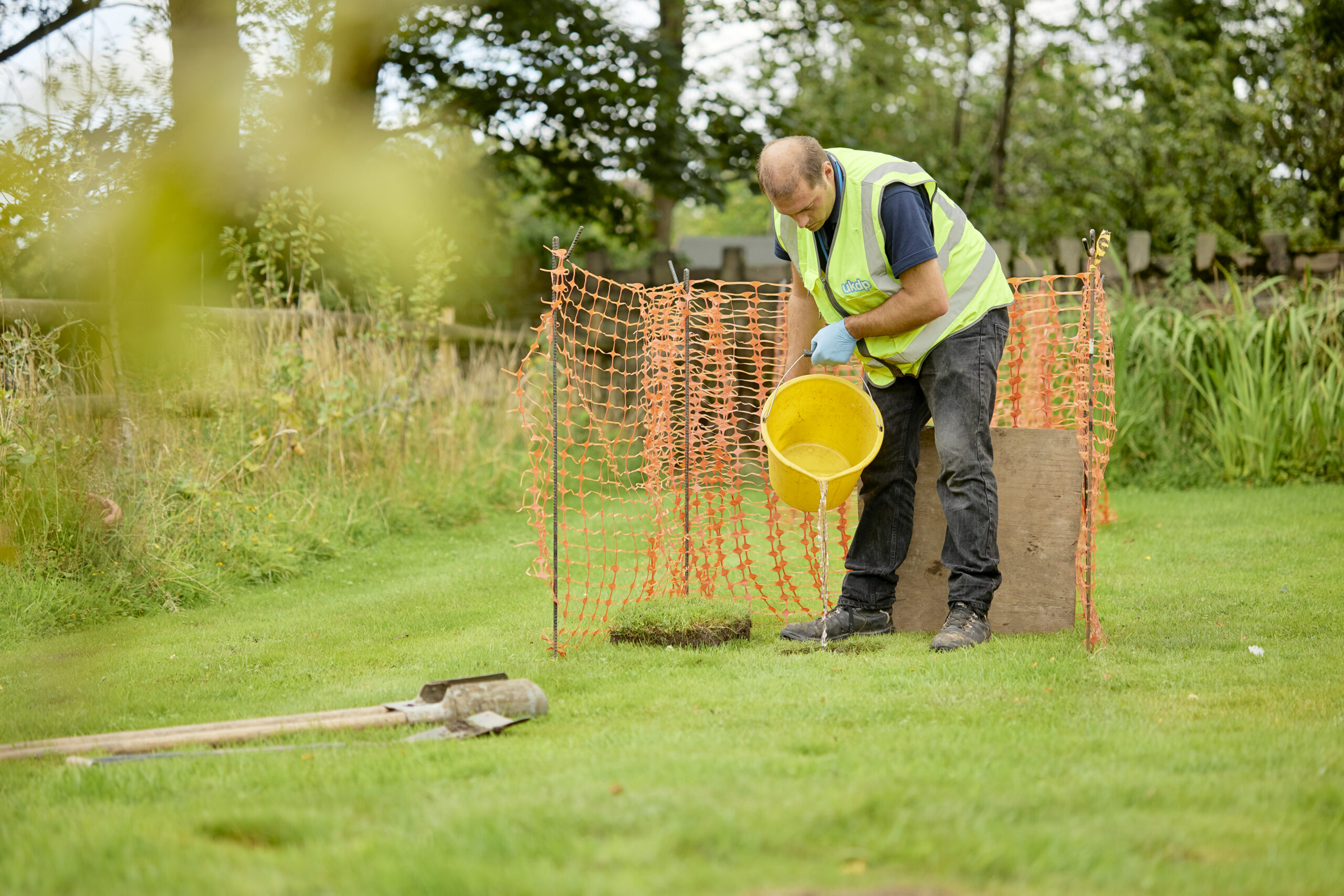
Drainage is one of the things a buyer's solicitor will ask about, so it pays to have your septic tank in order before the house goes on the market. A few steps up front stop a drainage issue stalling the sale later.
What are your responsibilities when selling a property with a septic tank?
There are some things which you are obliged to do under current legislation, and others which it may be advisable to do to ensure your sale goes smoothly. Firstly, we will outline the two main areas with which legislation says you must comply: Telling the new owner about the drainage system in place The General Binding Rules for Small Sewage Discharge state that, if selling a property with off-mains drainage, you must tell the new owner in writing that a sewage discharge is in place. The guidance states that you should include: A description of the treatment plant and drainage system The location of the main parts of the treatment plant, drainage system and discharge point (i.e. does the system discharge to ground, or to a nearby watercourse or ditch?) Details of any changes made to the treatment plant and drainage system Details of how the treatment plant should be maintained, and the maintenance manual if you have one Maintenance records if you have them If you have a septic tank, it will have required regular routine emptying, and it is useful to be able to demonstrate to a prospective purchaser that you have done so. This is because a septic tank which is regularly routinely emptied is likely to remain in a serviceable condition for longer than one which is not. Some people keep receipts of routine empties, however this is not a requirement of you as the owner of the septic tank. It is worthwhile gathering as much information as you can as to when the tank has been emptied, if you have used the same tank emptying company each time, they may be able to provide you with copies of receipts or confirmation of the dates they have emptied the tank. Ensuring that your septic tank does not discharge straight to a watercourse If you have a septic tank, you need to identify whether it discharges to a ditch or watercourse. If this is the case, the General Binding Rules state that the system must be replaced or upgraded by 1st January 2020. This is because it is no longer considered safe for the environment for a septic tank to discharge wastewater straight to a watercourse. The Rules state `Where properties with septic tanks that discharge directly to surface water are sold before 1 January 2020, responsibility for the replacement or upgrade of the existing treatment system should be addressed between the buyer and seller as a condition of sale’ (you can view the full guidance notes here https://www.gov.uk/guidance/general-binding-rules-small-sewage-discharge-to-a-surface-water). Currently, there is no available guidance as to what should happen in respect of property sales beyond 1st January 2020, particularly given that there is not much awareness amongst property owners as to the changes. However, given that the Rules have been introduced to reduce risk to the environment, our advice would be to assume that the rules will continue to apply. If you would like to know more about the regulations, and what your options might be, you can read our Guide to Septic Tank Regulations here.
How to discover the details and the condition of your system
So, what about the condition of the drainage system? How do you even know where the system runs, and what it is comprised of, such that you can inform a potential buyer of your property? A standard buildings survey, carried out on behalf of a prospective purchaser, will only take a cursory look at any off-mains drainage system that’s in place. Typically, the report will recommend that the buyer arranges a specialist drainage survey of the system, and this can be where delays or problems are experienced. Surveys of septic tanks can identify problems, either with the compliance or condition of the drainage system, which can be a stumbling block in any sale. It’s important as the seller of the property to get on the front foot, both to protect yourself and the environment, in the instance that your drainage system is no longer compliant with new regulations. We recommend finding a specialist to carry out a survey of your drainage system, the findings of which you can act on if required, or present to any prospective purchasers of your property. The report should include: A plan of the drainage system, and where it runs. Identification of what type of tank is in place. Where the system discharges to (if known). A summary of the condition of the drainage system. This should include both the structural integrity of the tank, as well as the condition of any pipework where possible. The tank should be emptied at the same time that the survey is carried out. This is because it will enable the engineer to observe how the system responds to being emptied. Waste water returning to the tank from the soakaway system can be a sign that it is not performing as it should be. Guidance on whether the system is compliant with applicable regulations. A summary of any remedial works which might be required, and guidance as to costs.
What to do next
In summary, it is important when selling a property with a septic tank that you provide clear information to any prospective buyer as to what type of drainage system you have, its compliance with regulations, and the condition it is in. It is also beneficial to be able to demonstrate that you have appropriately maintained the system. It’s never too soon to start gathering the information required. If you’re not sure where to start or just need some assistance then we can help. We offer a Home Seller Drainage Survey service which can help you to ensure that your property sale goes smoothly, that you maximise the sale price, and that you are complying with septic tank regulations. Call our team on 0800 028 9903 and they’ll be delighted to answer any questions or get your survey booked in.
Frequently Asked Questions
Can I sell a house with a septic tank that isn't compliant?
You can, but you must tell the buyer in writing, and you'll usually need to agree who pays to put it right as part of the sale. Many buyers will expect the price to reflect it, so sorting it early is often cleaner.
Do I legally have to tell the buyer about the septic tank?
Yes. Under the general binding rules you must give the buyer a written description of the system, its location and any maintenance records. It also comes up on the property information form.
Should I get the septic tank emptied before selling?
Have it emptied and keep the receipt, as proof of maintenance reassures buyers. A drainage survey needs the tank emptied on the day anyway, so time the two together.
Will a septic tank put buyers off?
Not usually, if it's compliant and you can show it's been looked after. Buyers get nervous about unknowns, so a seller's drainage survey and emptying records do more to keep a sale on track than anything else.
What's a home seller drainage survey, and do I need one?
It's a survey that checks and documents the system's condition and compliance before you market the house, so problems don't surface late and derail the sale. It's £399 inc VAT for the standard version.
About the author
Sam Warren
UKDP co-founder
Sam Warren co-founded UKDP with James Warren in 2009 as an off-mains drainage specialist.
More Handy Guides
Ready to book a survey or want to find out more?
Having a Home Seller Drainage Survey carried out puts you on the front foot when selling your property. It means that you can confidently advise the purchaser that all is as it should be, and can avoid any last minute problems with the sale if the purchaser identifies a problem late in the process.
Related articles
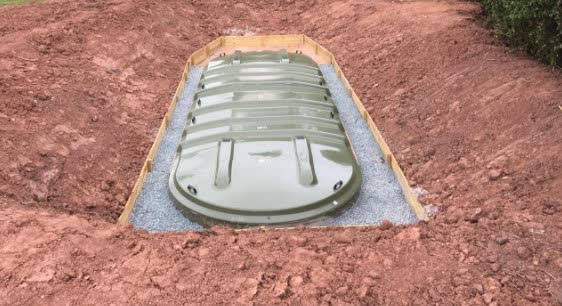
What Do the Latest Septic Tank Regulations Mean for You?
Understand what the General Binding Rules mean for septic tank owners and buyers, and how to keep a system compliant.
Read article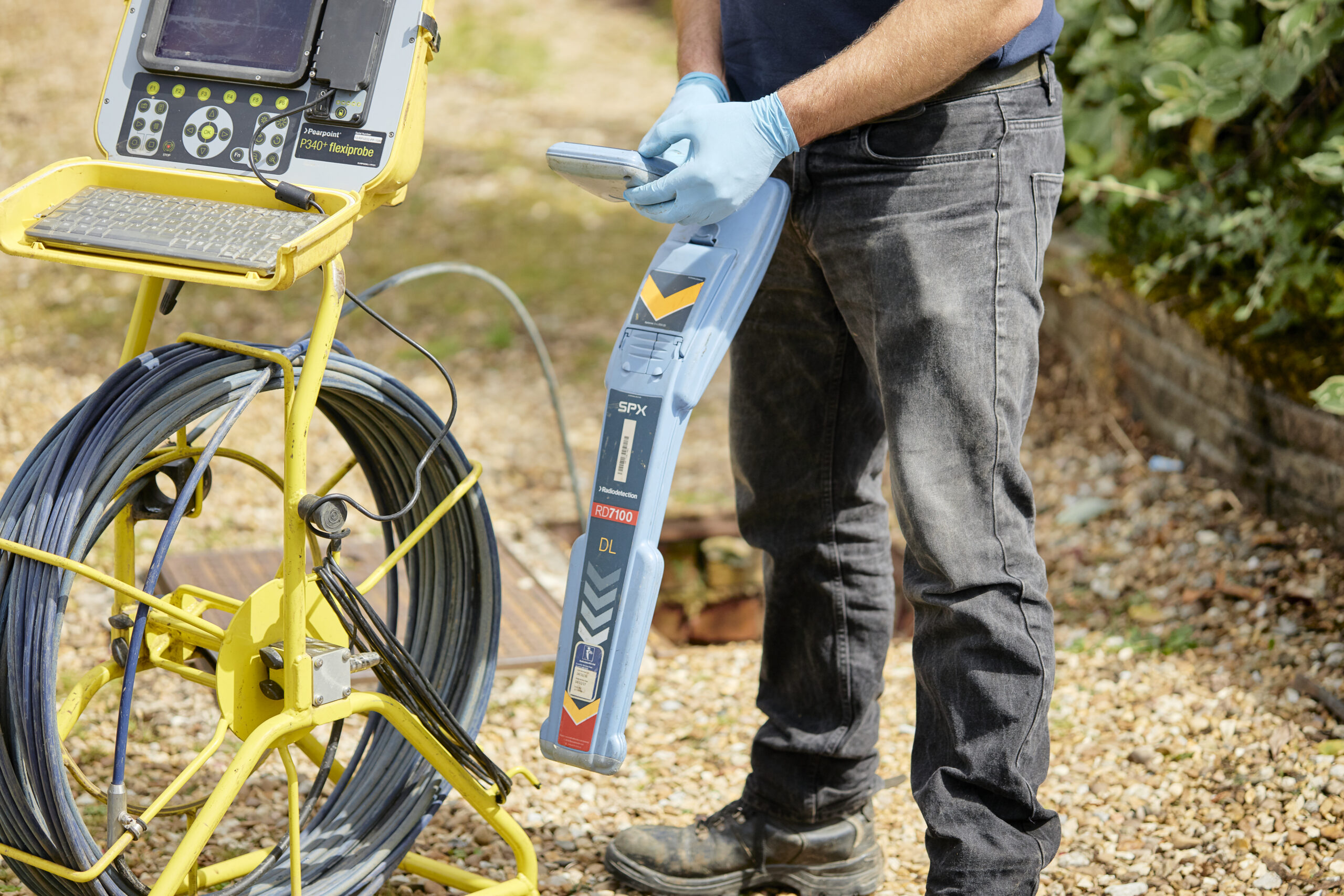
CCTV Drainage Surveys and Septic Tank Inspections
See how CCTV drainage surveys and septic tank inspections work, what they reveal and when you need one.
Read article