
How do you know when a septic tank is full?
The signs your septic tank is full, how often it needs emptying, and what happens if you leave it.
Key takeaways
- A full septic tank shows itself through overflowing water in the garden, bad smells, and slow or backing-up toilets and drains.
- Most septic tanks need emptying around once a year, sooner if you have had lots of visitors.
- Dirty water pooling near the tank means it may be overflowing.
- Slow flushing and slow drains, or waste backing into the toilets, point to a full tank.
- If the tank needs emptying again soon after the last empty, get it inspected for damage.
If your property has a septic tank, you’ll probably know that it typically needs emptying around once a year. This can vary, of course, depending on all sorts of factors, such as whether you’ve had lots of visitors at your property who have been filling it up quicker for you!
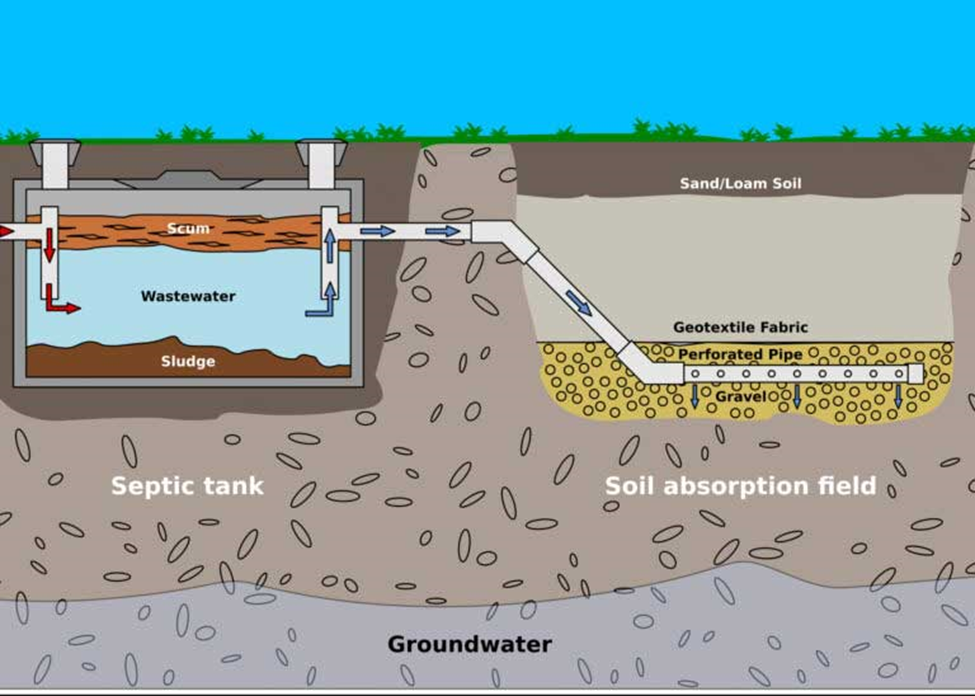
Left too long, a full tank has nowhere to send the next load, so it backs up indoors or surfaces in the garden. A routine empty costs far less than clearing up after an overflow.
So, how do you know when a septic tank is full and needs emptying?
If you get your septic tank emptied by a local tanker company, and if they are nice friendly organised types, you might get a little reminder when it’s time to get the tank emptied again. If not, there are other things to look out for which will let you know that your septic tank might be full:
- The tank might be overflowing in your garden. This is about as unpleasant as it sounds, but it does happen. You’ll see dirty water pooling above ground near to where your tank is, not the typical water feature you might hope for!
- You might notice some nasty niffs either near to where the tank is, or inside your property.
- The toilets in your property might take longer to flush than usual, or your sinks and showers might take longer to drain away. If things are getting really bad, waste from the tank might even start backing up into your toilets.
With any luck, getting the tank emptied will get things working again, especially if an empty was due. But if your tank needs emptying again even though you’ve only had it done recently, it might be a sign of a septic tank problem.
A septic tank inspection can help to identify if there is any damage that might need to be repaired, so call our friendly team today on 0800 028 9903, we’ll be able to help.
Frequently Asked Questions
Will my toilet still flush if the septic tank is full?
Often it flushes slowly or gurgles rather than stopping completely, which is why a full tank gets missed. If flushing is sluggish across the house and the tank's overdue, get it emptied.
How is a full tank different from a blockage?
A blockage usually affects one toilet or sink; a full tank slows everything and often comes with smells or wet ground outside. Lifting the manhole between the house and tank shows which: waste standing in it points to the tank.
How often should a septic tank be emptied so it doesn't get full?
About once a year for most homes, more often with a big household or lots of guests. Regular emptying is cheaper than dealing with an overflow or a damaged soakaway.
What happens if I leave a full septic tank too long?
Solids start overflowing into the soakaway and clog it, which can't be reversed. A missed emptying is how a cheap job turns into a failed drainage field costing thousands.
Can I check the level myself?
You can lift the manhole and look, but take care: tanks give off dangerous gases, so don't lean in. If you're unsure what you're seeing, an inspection reads the level and the tank's condition safely.
About the author
Sam Warren
UKDP co-founder
Sam Warren co-founded UKDP with James Warren in 2009 as an off-mains drainage specialist.
Need help with your septic tank or drainage?
Reach out to us on 0800 028 9903. Our team are here to talk Monday to Friday 9am to 5pm.
Related articles

Septic Tank Emptying: Why, When and How?
Learn why septic tanks need emptying, how to tell when yours is due and what the emptying process involves.
Read article
Septic Tank Backing Up Into House
Find out why a septic tank backs up into the house, the warning signs to look for and what to do about it.
Read article
Toilets Not Flushing Properly With a Septic Tank
Find out why toilets struggle to flush on a septic tank system, the quick checks to try and when to call a specialist.
Read article